
How Do Gutters Affect Roof Longevity in North Tonawanda, NY?
Gutters are a key part of what keeps local roofs in good working order, especially with the seasonal weather shifts in North Tonawanda, NY. Properly functioning gutters direct rainwater and melting snow away from the roof and foundation. When gutters are missing, clogged, or poorly maintained, water can back up under the roof edge or spill over, leading to problems that shorten a roof’s lifespan.
Gutters act like a first line of defense against water-related roof damage. In a climate with heavy winter snow, spring thaws, and summer thunderstorms, all common in the city, this role is especially important. Over time, even small leaks or repeated overflow events can cause costly repairs.
Why Are Gutters Necessary Even for Smaller Homes?
Even modest homes in the area benefit from gutters because pooling water near the roof edge or ground can cause several avoidable headaches. Without gutters, water runs directly off eaves and can erode the ground next to the house, soak exterior walls, and infiltrate attics. This risk is increased by the mix of older and newer construction found in many parts of North Tonawanda, where roof pitches and lot layouts vary.
On homes with short overhangs, rainwater and melting snow from the roof can land close to the foundation. This continuous moisture, especially in the spring, encourages foundation shifts and basement dampness—issues frequently reported in local housing. In winter, ice buildup near the edge aggravates the risk of ice dams, another common local worry.
What Roof Problems Can Clogged or Damaged Gutters Cause?
Clogged or broken gutters are a leading cause of avoidable roof trouble. When gutters overflow, several outcomes can threaten roof health:
- Water seeps under shingles, leading to rot in decking and rafters.
- Sagging gutters can pull on fascia boards, loosening roof materials.
- Overflow can freeze into ice dams, forcing water under the roof during thaws.
- Stagnant water in gutters encourages pests and mold that can spread up to the roofing structure.
Local experience shows that properties with overhanging trees or infrequent gutter cleaning develop these problems faster, particularly in wooded neighborhoods or areas with frequent autumn leaf fall.
What Is the Link Between Gutters, Ice Dams, and Local Winters?
In North Tonawanda, winter brings snow accumulation followed by periods of freezing and thawing. If gutters are blocked, melting snow cannot drain quickly and instead backs up behind ice that forms along the roof edge. This is how ice dams develop, which push water under shingles and into attics.
Properly maintained gutters and downspouts give melting snow and ice a clear path to drain away from the roof. Gutter guards can help, but only if regularly checked to ensure they're not trapping debris under the snow. Ignoring gutter care in late fall often leads to expensive repairs come spring.
Can Gutters Protect Siding, Foundations, and Landscaping?
Gutters mainly safeguard the roof, but their benefits extend much further. By carrying roof runoff away, gutters prevent water from splashing against siding, eroding soil, and flooding planting beds. This is especially valuable for homes in North Tonawanda with older stone or brick foundations, which are susceptible to water intrusion during repeated freeze-thaw cycles.
Directing water several feet from the foundation using splash blocks or extended downspouts helps deter moisture from seeping into basements, a frequent maintenance issue in the city’s aging housing stock. Well-placed gutters also protect walkways and steps from icing over or settling due to ongoing water exposure.
How Often Should Gutters Be Cleaned in North Tonawanda?
Twice-a-year cleaning—in late spring and again after the autumn leaf fall—addresses the bulk of local gutter maintenance needs. For homes under large trees, three or four checks per year may be needed. Debris such as leaves, helicopter seeds, and even small branches collect quickly and can halt drainage with only a moderate blockage. It's not uncommon for North Tonawanda residents to find gutters clogged almost overnight during heavy fall winds.
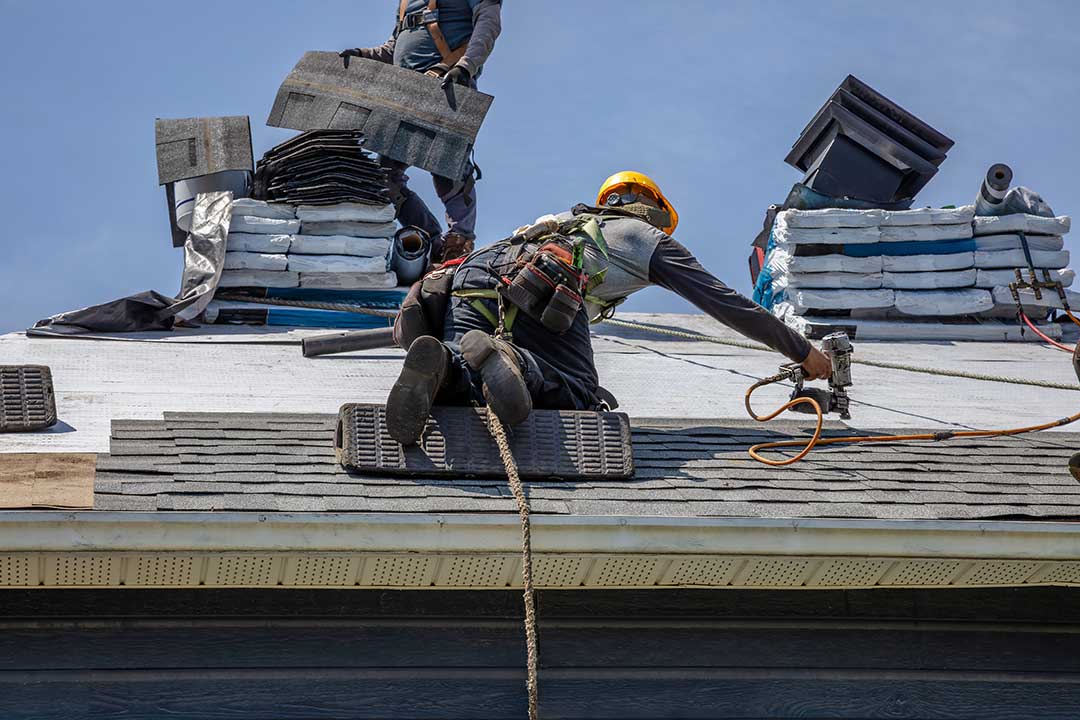
In winter, periodic checks ensure downspouts are not frozen solid and that snowmelt can drain. Safe roof access is critical: for steep roofs, multi-story homes, or icy conditions, local safety codes recommend using fall protection. Many residents also check for loose brackets and minor gutter damage during spring cleanings, as freeze-thaw cycling can loosen fasteners.
What Are Common Misconceptions About Gutter Maintenance?
A frequent local misconception is that gutters only matter during heavy rain. In reality, they play an equally important role during milder weather and especially during snowmelt and freeze-thaw cycles. Another misunderstanding is that gutter guards are “set and forget.” While they can cut down on debris, these systems still require inspection as organic material can accumulate or be forced through by wind and ice.
It's also a myth that gutters only matter for homes near large trees. Debris comes from a variety of sources, including roofing granules, small seeds, and even animal nests. Wind patterns in open areas of North Tonawanda can blow debris significant distances, surprising homeowners who do not have large trees nearby.
Are There Local Considerations for Gutter Materials and Sizing?
Not all gutters are created equal, and the choice of material and size depends on roof area and local weather patterns. North Tonawanda’s heavy spring rains and winter runoff demand gutters with adequate capacity and downspouts placed in logical drainage paths. Aluminum and steel gutters hold up well against the freeze-thaw cycling typical in the area, while vinyl gutters are more prone to cracking in prolonged below-freezing conditions.
Sizing should match the roof surface area and expected rainfall. Insufficient capacity can cause the same issues as no gutters at all. Area building codes do not usually dictate gutter specifications, but following best practices for local rainfall statistics and roof pitches minimizes maintenance headaches down the line.
What Signs Suggest Gutter or Roof Problems to Watch For?
Some early warning signs of gutter-related roof issues include:
- Staining or peeling paint on exterior walls below the roofline
- Erosion or pooling water near the foundation
- Visible sagging or pulling away of gutters from the roof edge
- Mold or mildew on soffits or attic rafters
- Ice dams or unusually large icicles hanging from eaves during the winter
Spotting these symptoms early allows local residents to address minor gutter or roof damage before it becomes extensive and costly.
