
What Does Roof Pitch Mean?
Roof pitch describes how steep a roof is, measured by how many inches it rises vertically for every 12 inches it runs horizontally. For example, a 6:12 pitch rises 6 inches for every 12 inches across the roof’s base. Local homes show a variety of roof slopes, ranging from nearly flat to very steep, and the angle affects everything from construction to maintenance.
Why Is Roof Pitch Important in North Tonawanda, NY?
Roof pitch affects drainage, structural stability, and material suitability—all crucial for the seasonal climate conditions experienced locally. In North Tonawanda, regular snowfall and rain mean water and ice management are key factors.
Steeper roofs (like those with a pitch above 6:12) make it easier for snow and water to run off. This reduces the risk of leaks and ice dams, common concerns in the region. Flatter roofs, by contrast, may require additional waterproofing or reinforcement to prevent pooling water and leakage during freeze-thaw cycles.
How Does Roof Pitch Influence Roofing Material Choices?
The angle of a roof determines which materials are suitable. Some materials work best on steep slopes, while others perform well on low-pitch or flat roofs. For example:
- Asphalt shingles, common in North Tonawanda, are typically rated for pitches of 4:12 and above.
- Metal roofing can be used on steeper or lower pitches, depending on its installation method and profile.
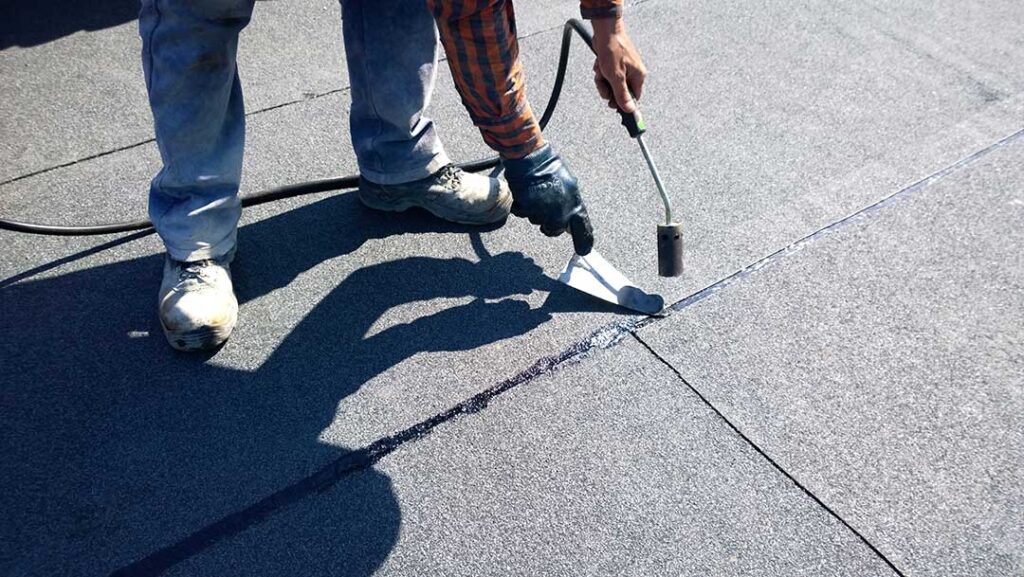
- Flat or very low slope roofs may require membranes like EPDM, TPO, or similar materials for reliable waterproofing.
Most homes in the area feature moderate to steep pitches, but flat roofs are found on some garages, porches, and postwar ranch-style houses.
How Does Roof Pitch Affect Snow and Ice in the City?
A steeper pitch can significantly reduce snow buildup, which lessens the load on the roof structure. This is especially useful during Lake Erie-influenced snowstorms when homes may accumulate multiple inches of wet, heavy snow in a short time.
Lower-pitch roofs, while sometimes preferred for their aesthetic or usability (like walkable decks), are extra vulnerable to ice dams. When heat escapes through the attic, melting snow refreezes at the eaves, occasionally causing water to back up beneath shingles. Proper ventilation and insulation can help, but the roof angle itself is the main line of defense.
Does Roof Pitch Impact Maintenance Needs?
The slope of a roof influences both accessibility and the type of upkeep required.
- Steep roofs are harder and less safe to walk on, so repairs, gutter cleaning, and inspections may need extra caution or equipment.
- Lower slopes are easier to access but may require more frequent checks for debris, standing water, or sealant issues.
Local households should recognize that roof pitch can affect how comfortable and safe routine maintenance is, especially during wet, icy, or windy months.
Are There Building Codes for Roof Pitch in North Tonawanda?
Building codes in the city reference the broader New York State building requirements. These codes set minimum and maximum slope requirements depending on the roofing material chosen and the building use. For example, roofing materials like asphalt shingles must be installed at or above a certain pitch to ensure adequate water shedding.
Anyone planning new construction, additions, or extensive roof remodeling should consult the local building office to verify zoning, code requirements, and winter load considerations tied to pitch.
What Are Common Misconceptions About Roof Pitch?
Many residents assume steeper always equals better, but every pitch has trade-offs:
- Very steep roofs shed water and snow well but cost more to build and maintain.
- Lower-pitch roofs can be less expensive and can offer usable rooftop space (like for air conditioning units or decks), but typically face more moisture challenges.
- Not all materials or designs are compatible; choosing based on looks alone can lead to expensive issues later.
Practicality—not just appearance—should drive roof angle decisions in the city, especially given the four-season climate.
How Can Residents Identify Their Roof Pitch?
Residents curious about their own home’s roof slope can get a close estimate using a level, tape measure, and simple math:
1. From the attic or at the edge of the roof, measure 12 inches horizontally (the "run").
2. Measure vertically from the end of that 12-inch line up to the roof surface (the "rise").
3. The result (rise over run) is that area’s pitch.
Example: If the rise is 8 inches over 12 inches of run, the roof pitch is 8:12. Homeowners should exercise caution when taking measurements and avoid going onto a roof if there are safety concerns.
Why Does Understanding Roof Pitch Matter for the Community?
For North Tonawanda households, knowing the pitch of a roof helps with planning repairs, upgrades, insulation improvements, and even selecting energy-efficient options. Awareness also helps anticipate how a roof will perform through challenging winter storms or heavy rain events, making it easier to budget for ongoing maintenance and future replacements.
