
How Does Sunlight Affect Roofing Materials in North Tonawanda, NY?
Sun exposure gradually changes the appearance and function of most residential roofs. The combination of direct sunlight, UV rays, and local seasonal swings plays a significant role in shaping the lifespan and condition of roofing materials in North Tonawanda. In particular, repeated exposure can accelerate aging, make maintenance more urgent, and affect everyday comfort in area homes.
While North Tonawanda experiences a range of weather—including cold winters and humid summers—the mid-year months bring extended daylight hours and intense sunshine. This can be especially challenging for older or darker-colored roofs that are directly facing southern skies, as these surfaces absorb higher amounts of radiation.
Why Does Sunlight Cause Roofing to Break Down?
Sun exposure deteriorates roofs mainly through ultraviolet (UV) radiation and fluctuating temperatures. UV rays break apart the molecular bonds in roofing materials, causing the surface to weaken over time. As a result:
- Asphalt shingles may become brittle, curl, or lose granules—leading to thin patches or bald spots.
- Wood shake and shingle roofs are prone to cracking and splitting, especially in dry, sunny spells.
- Metal roofs can experience thermal movement, which may loosen seams or cause paint to fade and peel.
Daily heat cycles—when materials expand in the afternoon warmth and contract at night—lead to “thermal cycling.” In North Tonawanda, where summer and winter bring sharp temperature shifts, this process can accelerate wear, especially if a roof is older or poorly ventilated.
Can Sunlight Make Roofs Less Energy Efficient?
Yes. Prolonged sun exposure can make a noticeable difference in how well your roof insulates your home. Direct sunlight heats up roofing surfaces, and this heat can transfer into living spaces below. If roofing material loses its protective coating, its insulating ability drops, leading to higher cooling costs in the summer.
In local neighborhoods, several factors influence this effect:
- Light-colored roofs reflect more sunlight and stay cooler, while darker roofs absorb and retain more heat.
- Homes with minimal shade from trees or neighboring buildings will experience more direct exposure and faster material aging.
- Attic insulation and roof ventilation also play a big part in regulating indoor temperatures, especially after years of sun exposure.
What Signs of Sun Damage Should Local Residents Look For?
Common signs of sun damage on roofs in North Tonawanda include:
- Shingle fading—noticeably lighter areas where pigment has worn away
- Granule loss on asphalt shingles, which can often be seen in gutters or downspout runoff
- Cracking, curling, or warping, which means the material is becoming brittle
- Exposed nail heads or lifted shingles due to thermal expansion and contraction
- Split or separated seams in metal roofing
Not all aging roofs show every sign at once, and changes can be gradual. Checking for these signs—especially on southern-facing slopes that receive the most sunlight—can give homeowners a good sense of their roof’s overall health.
Are Certain Roofing Materials Better at Handling Sun Exposure?
Some materials are inherently more resistant to UV rays and heat. For instance:
- Metal roofing naturally reflects more sunlight, keeping interior spaces cooler. Modern coatings can add further UV protection.
- High-quality asphalt shingles designed for UV resistance tend to last longer in sunny locations.
- Clay and concrete tiles resist fading and thermal expansion, but are less common in North Tonawanda’s climate due to weight and cost.
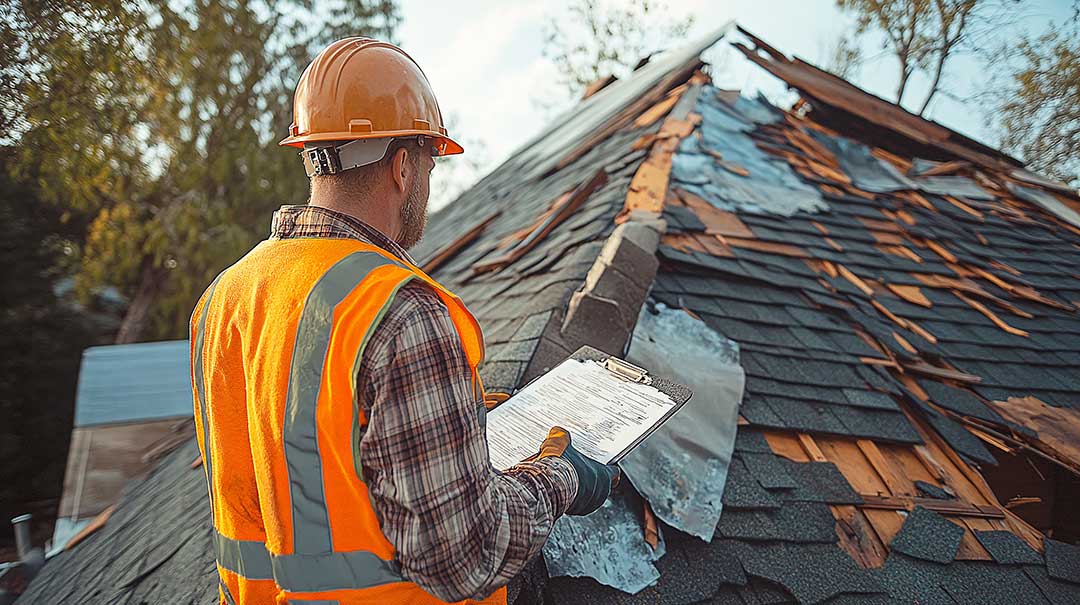
Residents considering roof replacement often weigh initial cost against long-term resistance to sunlight, knowing that local sun intensity, snow load, and humidity all play roles in roof longevity.
Do Local Weather Patterns Impact Sun Damage to Roofs?
Absolutely. North Tonawanda’s unique weather pattern—sunny, humid summers followed by freezing winters—creates a harsh test for roofing. Strong sunlight dries out roofing surfaces, then rain or snow seeps into any cracks or lifted seams. When temperatures drop, this trapped moisture can freeze and expand, further weakening the roof structure.
Local roofs that deal with both harsh summer sunlight and heavy winter snow need particularly good ventilation and routine inspections, since the combination of these forces can quickly shorten material life.
How Can Homeowners in the City Help Minimize Sun Damage?
Simple steps can keep roof surfaces in better shape, even with regular sun exposure:
- Keep an eye out for discoloration, granule loss, and curling after sunny spells, since early detection means simpler repairs.
- Trim back overhanging trees to prevent debris build-up—but leave enough canopy to offer midday shade where possible.
- Maintain attic ventilation to keep roof surfaces cooler and slow down aging during hot periods.
- Gutter cleaning helps prevent overflow, which can accelerate damage to sun-weakened edges and eaves.
Routinely checking the roof from the ground or using binoculars is usually enough to spot the most obvious problems. If safety is a concern, it’s best to use caution and avoid climbing onto the roof.
What Are Common Misconceptions About Sun and Roof Durability?
Many local residents believe that only extreme sunlight causes damage, but even moderate, repeated exposure gradually erodes roofing materials. Another misconception is that sun damage is easy to spot; in reality, small areas of fading or granule loss might go unnoticed until they develop into leaks or insulation issues.
Homeowners sometimes think roof age alone is the best indicator of condition, but surfaces with more southern or western exposure may age faster than the rest of the roof.
When Is Sun Exposure Most Problematic in North Tonawanda?
The highest risk typically comes between late spring and early autumn, when daylight hours are longest and sun angles are steepest. During these months, rooftops can reach surprisingly high temperatures—sometimes exceeding 140°F on clear days.
South-facing roofs and those on multi-story homes generally experience the greatest exposure. In denser areas where homes shelter each other, the effect is less, but roofs without shade or those newly installed are at greatest risk of showing early signs of sun wear.
