
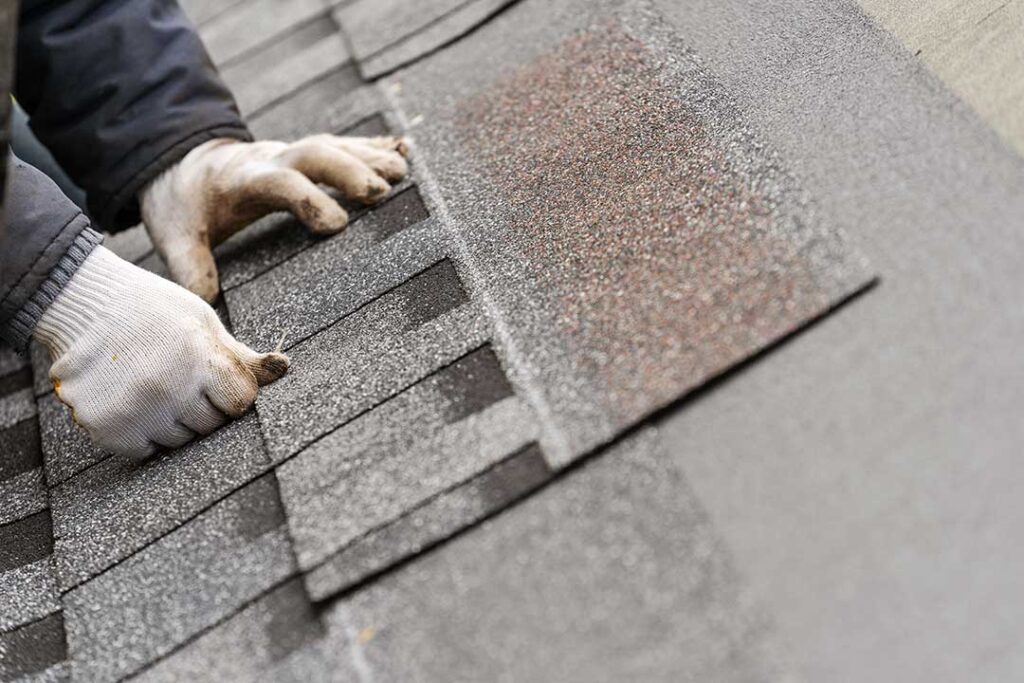
How Does Storm Damage Typically Affect Roofs in North Tonawanda, NY?
Residents in North Tonawanda, NY often face high winds, hail, heavy rain, and snow during storms. These weather events can dislodge shingles, expose underlayment, bend flashing, and create leaks. Knowing what to look for early can mean the difference between a quick patch and major repairs.
Residential roofing in the city is usually asphalt shingle, metal, or occasionally flat roofing, each with vulnerabilities. After extreme weather, even minor issues can let in water or result in energy loss over time.
What Signs of Roof Damage Are Easy to Check from the Ground?
Some of the most obvious issues don’t require getting on a ladder. Start by taking a slow walk around your home’s perimeter, scanning the roofline carefully.
Common ground-level signs include:
- Shingles lying in the yard or obvious gaps on the roof
- Pieces of flashing or metal trim that have come loose
- A sagging or uneven roofline, which could indicate structural movement
- Large branches or limbs resting on or piercing the roof
- Clogged or bent gutters and downspouts, especially if filled with visible shingle granules
Sometimes, a change in the appearance of your roof, like darker areas, can mean missing shingles or exposed underlayment even if you can’t easily see the full extent.
Are There Subtle Signs Inside the Home That Indicate Roof Problems?
Yes, many leaks or gaps only become obvious indoors. Particularly after a storm, check the following:
- New water stains or discolored rings on ceilings and walls, especially on upper floors
- Damp spots along attic rafters or insulation that feels wet to the touch
- Peeling wallpaper, bubbling paint, or plaster cracks near the top of walls
- Mold or mildew odors in rooms or on stored items in the attic
These indoor clues might take a few days to appear, so continued vigilance after a storm passes is wise.
Should Homeowners Climb on the Roof for a Closer Look?
Climbing onto a roof can be dangerous, especially if it’s wet, icy, or covered with debris. Most area households should avoid getting on the roof unless they are confident and have proper equipment. Instead, binoculars or a smartphone camera with zoom can provide a closer view from the ground.
If a physical inspection is necessary (such as for flat roofs with safe access), take these precautions:
- Wait until the surface is completely dry and clear of debris
- Perform checks during daylight with steady footwear
- Avoid leaning over edges or stepping on unstable areas
If you see evidence of extensive damage, structural sagging, or exposed electrical lines, leave the inspection to a professional for safety reasons.
How Does Storm Severity Impact What to Look For?
Storms with wind gusts above 50 mph or large hailstones raise the likelihood of major damage. In North Tonawanda, spring and fall storms can also pull at ice dams or trap windblown debris along eaves.
Severe weather may cause:
- Shingles bent backward or torn off entirely
- Dents in metal roofing or ridge vents
- Granule loss on asphalt shingles, visible as bald patches or excessive grit in gutters
- Torn or curled roofing felt on the edges
- Dislodged vent boots or chimney flashing
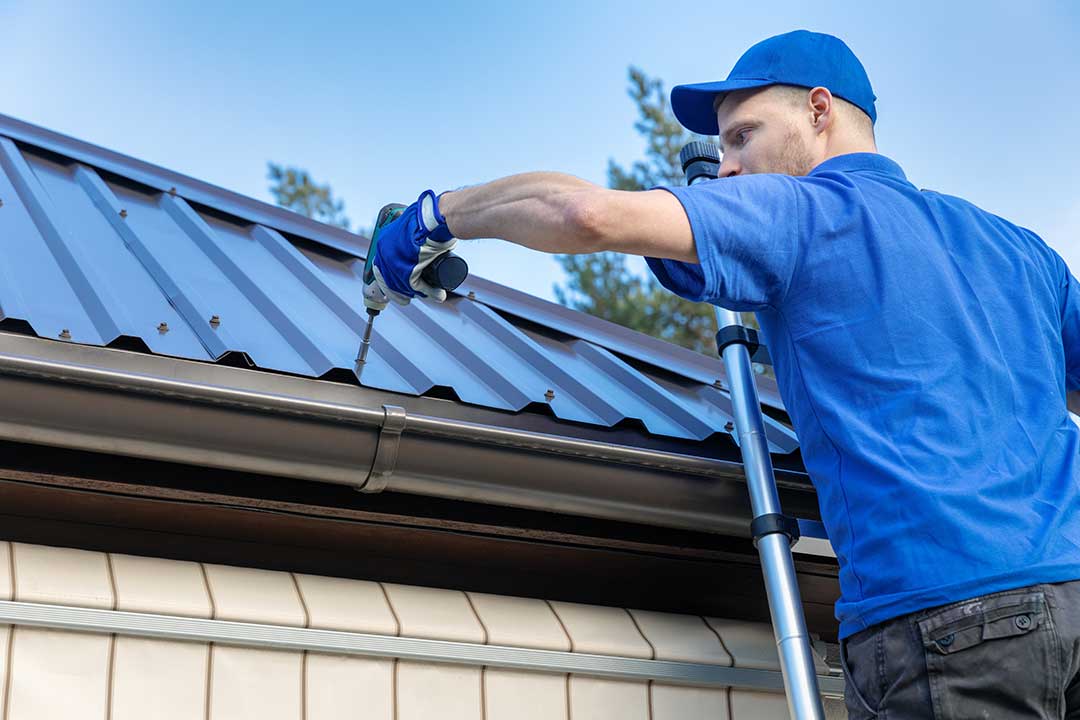
After ice storms, check for cracked shingles, loosened gutters at the fascia, and blockages at roof valleys where water may pool and re-freeze.
Are There Common Mistakes Residents Make When Checking for Roof Damage?
Rushing the inspection or focusing only on dramatic damage can cause smaller but serious problems to be missed. Some common missteps include:
- Ignoring attic spaces where leaks may start before reaching ceilings
- Checking only the most visible sides of the roof and missing less-exposed slopes
- Overlooking subtle granule loss, which can signal future leaks
- Assuming a lack of water stains indoors means there’s no damage
Waiting for signs of active leaks can give small issues time to grow. Regular, thorough storm checks help catch problems before they become expensive repairs.
What If You Suspect Damage But Aren’t Sure How Serious It Is?
If an inspection reveals damage but it’s unclear if repairs are urgent, document what you’ve found:
- Take photos of any visible damage from different angles
- Note the date and weather conditions following the storm
- Keep a record of any new or worsening issues indoors
These records not only help with future decision-making but may be useful for municipal building inspectors or, in some situations, filing an insurance claim. North Tonawanda residents sometimes overlook this step, but careful documentation can prevent confusion later.
What Local Factors Shape Roof Damage Inspections?
Homes in this region experience annual freeze-thaw cycles, windborne debris from local trees, and heavy snow loads. Pay extra attention to:
- Valleys and low-slope roof sections where snow and ice accumulate
- Roof edges, overhangs, and eaves where gutters can ice up
- Areas near large, mature trees, especially if recent storms cause limb breakage
- Suspiciously dark or shiny spots in sunny weather, which might mean dislodged granules or water pooling
Seasonal shifts in North Tonawanda create hazards unique to the area, such as repeated ice damming and wind-driven rain that finds its way under shingle edges. Regular checks, particularly after major storms and during heavy seasonal transitions, help protect local homes against the long-term effects of weather-related roof damage.
