
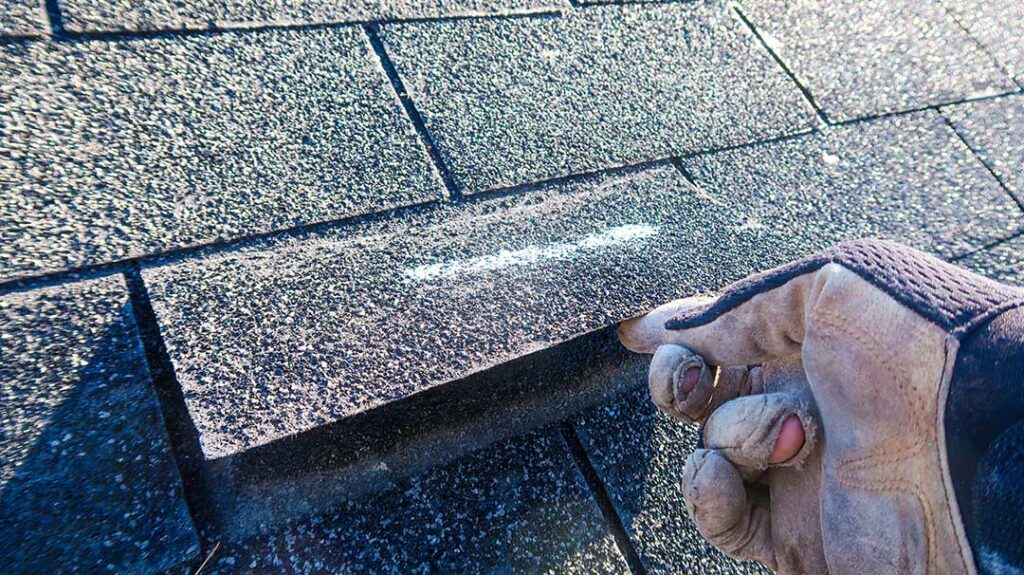
What Is Ice Damming?
Ice damming refers to the formation of ice at the edge of a roof, which blocks melting snow from properly draining off. In North Tonawanda, NY, this occurs most often after heavy snowfall followed by periods of freezing temperatures. The cycle of daytime melting and nighttime refreezing causes water to back up behind the ice. This standing water can seep under shingles and potentially cause leaks, leading to damage inside walls, ceilings, insulation, and even electrical systems.
Why Does Ice Damming Happen in North Tonawanda?
Ice damming hinges on temperature differences between the top and edges of roofs. Heated spaces in local homes cause snow on the warmer roof sections to melt. The resulting water flows toward the colder roof edges, where it refreezes, gradually building up a dam of ice.
This process is especially common in North Tonawanda due to:
- Regular freeze-thaw cycles in late winter and early spring
- Older homes with less attic insulation or inconsistent ventilation
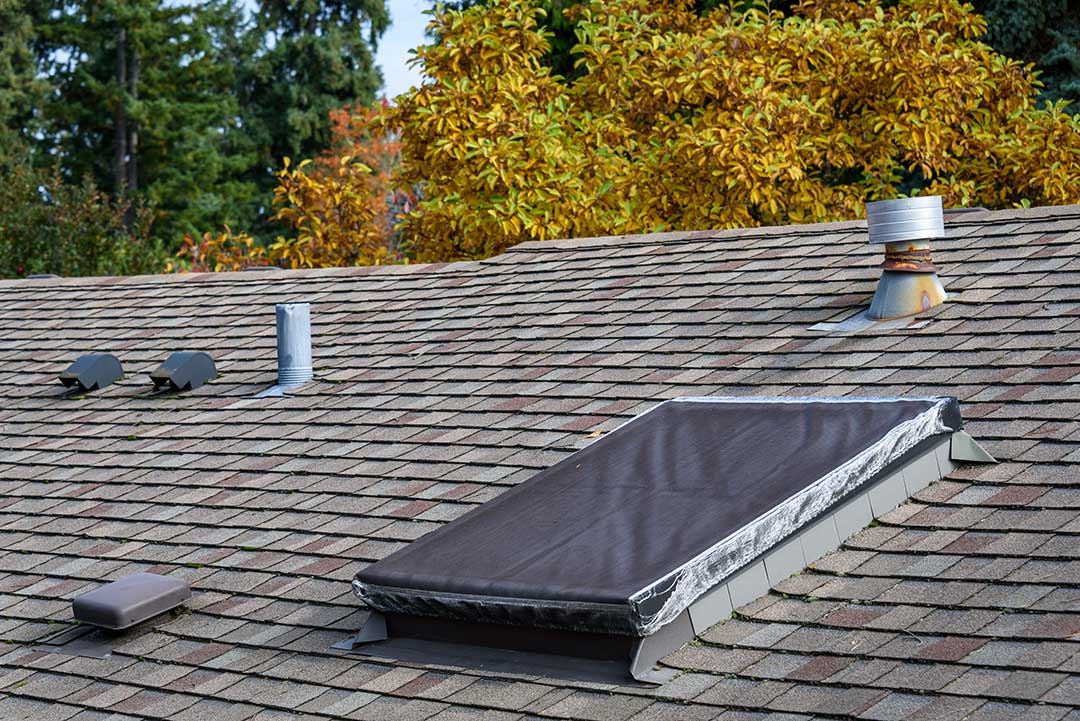
- Architectural features like skylights, dormers, or valleys where snow and ice can collect
- Roofs with shallow pitches, which don’t shed snow as quickly
Local residents often see icicles along gutters and rooflines after snowstorms—an early indicator that ice damming conditions may be developing.
What Problems Can Ice Damming Cause?
Ice dams can lead to several short- and long-term problems for area homeowners:
- Water leaks into attics, ceilings, and walls
- Wet or compressed insulation, lowering energy efficiency
- Mold and mildew growth due to persistent moisture
- Damaged paint, plaster, or interior finishes
- Warped or rotted roof decking and framing over time
Sometimes, electrical wiring is also at risk if water seeps through the ceiling. The damage can be costly and sometimes goes unnoticed until moisture problems appear indoors.
How Can You Tell if Ice Damming Is Affecting Your Home?
Local residents often first notice signs like:
- Icicles forming on the edge of the roof or gutters, especially those that extend downward several feet
- Damp or stained spots on ceilings, walls, or around window frames
- Peeling paint near rooflines or attic vents
- Unusual moisture, frost, or condensation inside attic spaces
Don’t assume all roof leaks in winter or early spring are from missing shingles. In the region’s climate, ice damming is a likely cause for water stains directly beneath the eaves.
How Can You Prevent Ice Damming?
Controlling attic temperature and improving ventilation are the most reliable ways to prevent ice damming in North Tonawanda. A few steps can make a significant difference for area homes:
- Insulate attics thoroughly: Proper insulation slows heat loss, maintaining a colder, more even roof temperature and preventing snow from melting too quickly.
- Seal air leaks: Gaps around attic hatches, vents, electrical wiring, and plumbing stacks allow warm indoor air to seep into attics and should be sealed using caulk or weatherstripping.
- Ventilate the attic: Intact soffit and ridge vents allow cold outside air to circulate, keeping the entire roof surface closer to the outdoor temperature rather than allowing warm spots to develop.
- Keep roof clear of heavy snow: Using a roof rake from the ground (never climbing onto a snowy roof, for safety) can sometimes help remove snow before it has a chance to melt and refreeze.
- Direct downspouts away from the foundation: Melting snow and ice should be safely channeled several feet away from the home to prevent further problems.
Some local homes with chronic ice damming issues benefit from adding additional insulation or correcting ventilation problems, especially in attics that were finished or remodeled many years ago. While heat cables are sometimes used in the area, these should be installed thoughtfully and are not a substitute for good insulation and ventilation.
Are Gutters a Factor in Ice Damming?
Gutters themselves do not cause ice damming, but they can trap melted water at the roof edge when already blocked by leaves or debris—making ice buildup worse. Keeping gutters clean, especially after autumn leaves fall, is a simple but effective prevention measure for residents in the city.
Are There Safe Ways to Remove Ice Dams When They Happen?
Removing an existing ice dam is best done with caution. Chipping at the ice can damage shingles and is not recommended. Instead, some residents have used:
- Calcium chloride ice melt in a sock or pantyhose, placed perpendicular to the dam to create a small channel for water to drain. Avoid rock salt, which can damage roofing.
- Long roof rakes to pull snow down from a safe position on the ground.
- Ensuring nothing is placed under the eaves (like firewood or patio furniture) that could be damaged by melting ice and falling icicles.
Accessing roofs during icy conditions is risky. For multi-story or steep roofs, it's generally safer to wait for weather to warm up or address underlying causes rather than attempting removal from above.
Common Misconceptions About Ice Damming
Some area homeowners mistakenly believe that new roofing alone will solve damming concerns. In reality, without addressing attic insulation, air leaks, and ventilation, new shingles will not prevent future dams. Another misconception is that gutters always cause ice dams; in most cases, the underlying causes are heat loss and uneven roof temperatures.
Local Housing Factors That Influence Ice Damming
North Tonawanda’s blend of historic and mid-century homes means many attics were originally under-insulated by today's standards. Homes with additions or renovations, attic conversions, or unique architectural features—such as dormers or nontraditional roof shapes—may see uneven melting and increased risk of dams.
Community housing stock also sees a range of roof pitches, with lower-sloped roofs typically holding more snow, creating conditions ripe for damming in persistent cold weather. Area residents may find it useful to periodically inspect attic spaces for frost or moisture issues during winter, as this proactive approach can catch problems before leaks occur.
