
Do Roofs Last Forever If You Don’t See Leaks?
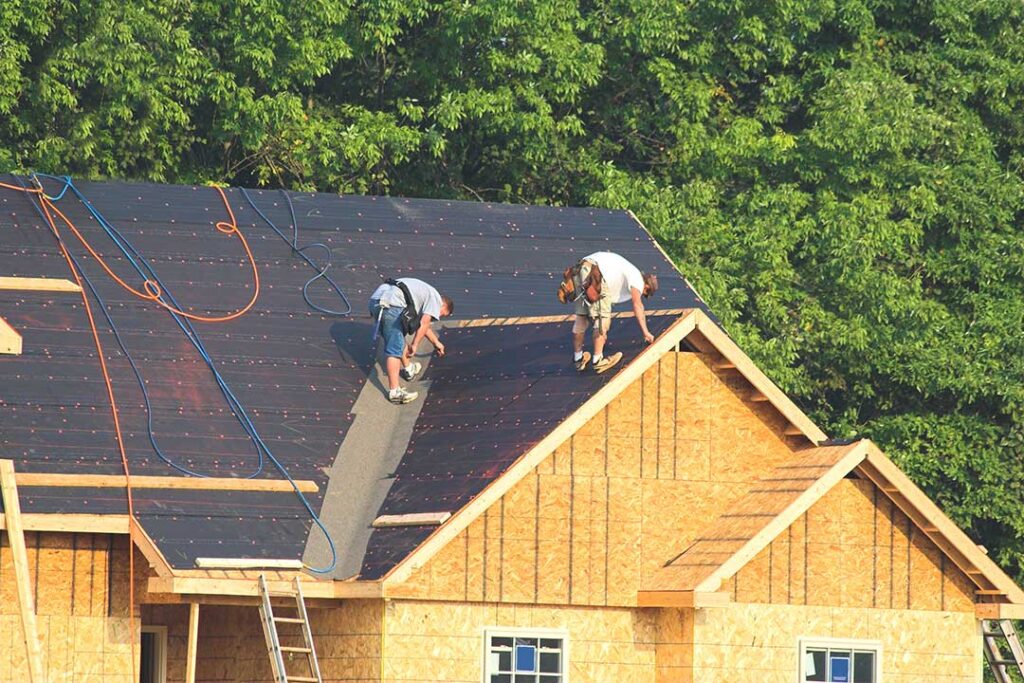
Roofs may look fine from the ground, but that doesn’t mean they’re in perfect condition. Many in North Tonawanda assume that as long as there’s no visible leak, the roof doesn’t need attention. However, local weather—frequent freeze-thaw cycles, lake-effect snow, and heavy rain—can cause hidden damage. Shingles may warp, nails may loosen, or the underlayment may deteriorate before leaks show inside. Routine checks, especially after a harsh winter or windstorm, help spot small issues before they create bigger problems inside the home.
Is Roof Replacement Always Better Than Repairs?
Not every damaged roof needs full replacement; repairs may be sufficient. Some homeowners believe any sign of trouble means it’s time for a new roof. In reality, many roofs in the area experience minor problems—like a few missing shingles from a wind gust or a lifted flashing after ice buildup—that are easily fixed. The age and overall shape of the roof, along with the extent of the issue, should guide the right decision. Especially on newer homes or roofs installed within the last 10-15 years, targeted repairs can extend the life of the existing system.
Are All Roofing Materials Equally Suited for Local Weather?
Different roofing materials respond differently to North Tonawanda’s climate. Asphalt shingles are commonly used, but not all are rated for high wind or heavy snow. Metal and architectural shingles may offer better performance in heavy snow or in areas prone to wind uplift near Lake Ontario. Roofs with low pitch may require specific waterproofing layers to avoid leaks during melt and rain. Checking that materials are rated for local weather helps prevent premature wear.
Can You Add New Shingles Over Old Ones?
Layering new shingles over old is sometimes seen as a shortcut, but it’s rarely a good long-term solution. This method can hide problems like damp or rotting wood, and it adds weight that older roof structures may struggle to support—especially after several snowy winters. Local building codes limit the number of shingle layers allowed. Proper inspection and removal of worn material is important for a solid, long-lasting result.
Does Attic Insulation Really Matter for Roof Health?
Attic insulation is surprisingly vital for the health of a roof, especially in communities with long winters. In North Tonawanda, poor insulation may let heat escape and melt snow unevenly, causing ice dams at the roof edge. These ice barriers can force water up under the shingles, leading to leaks and rot. Consistent insulation and ventilation help prevent these problems and often reduce heating bills during cold snaps.
Is Moss on the Roof Only a Cosmetic Issue?
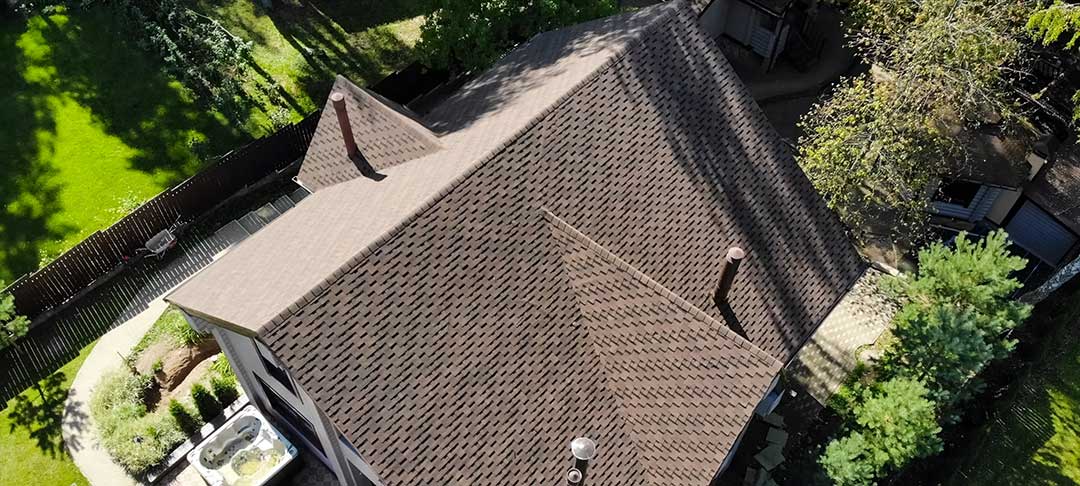
Moss growing on shingles is more than just unsightly—it can hold moisture against the roof and cause shingles to lift or decay. Moist, shaded sections of rooftops in the city’s older neighborhoods may be especially prone. Scrubbing, however, is not recommended, as it can damage the shingles. Preventative steps include trimming overhanging branches to increase sunlight and gently removing debris after storms.
Do Roof Repairs Require Permits in North Tonawanda?
Many residents are surprised to learn that certain roofing projects, especially extensive repairs or replacements, may require a permit. Local ordinances exist to ensure safety and proper installation. Projects involving structural repairs or major renovation typically require city approval, while small repairs sometimes do not. Checking the most recent guidance from the city’s building department helps avoid issues later.
Can You Roof in Cold Weather?
Roofing in winter isn’t ideal, but it can be done when necessary. Asphalt shingles, for example, may not seal or adhere as well during cold snaps. Contractors generally prefer temperatures above freezing, but emergency repairs—such as after wind or ice damage—may require immediate action. For most planned projects, waiting until late spring, summer, or early fall results in better, longer-lasting installations.
