

What’s the Difference Between Flat and Sloped Roofs?
Flat roofs and sloped roofs each have distinct structural features and practical implications. A flat roof is not entirely level but has a slight pitch to allow water drainage. In contrast, a sloped roof has a more noticeable angle, often designed for shedding rain and snow swiftly. Residents considering roof replacement or new construction in North Tonawanda often ask which type suits local needs best, especially given seasonal weather patterns.
How Do These Roof Types Perform in Local Weather?
North Tonawanda’s climate involves cold winters, frequent snowfalls, and periods of heavy rain. Sloped roofs naturally excel at shedding precipitation, reducing the risk of water pooling that can lead to leaks or ice dams. Flat roofs, although engineered for drainage, commonly require more diligent maintenance and careful snow removal to prevent water buildup and related issues.
Sloped roof advantages in the local climate:
- Snow and rain slide off, lowering the chance of leaks or collapse.
- Less buildup of ice at the edges, especially with proper insulation and ventilation.
Flat roof considerations:
- Drains and scuppers must stay clear to avoid pooling water, particularly after snow melts.
- Heavy, wet snow loads may need to be cleared manually.
Which Roof Type Usually Lasts Longer Here?
Sloped roofs tend to have a longer average lifespan in climates like North Tonawanda’s, mainly due to better drainage and reduced risk of standing water or ice. Asphalt shingles, metal, or tile on sloped roofs can last 20-50 years, depending on materials and upkeep. Flat roofs, which are often covered in membrane or built-up materials, generally last 10-30 years. Lifespan varies with installation quality, material choice, and regular maintenance commitment.
Are Flat Roofs or Sloped Roofs Easier to Maintain?
Sloped roofs are generally easier for routine inspection, since problems like broken shingles or loose flashing are more visible from the ground or a ladder. Many homeowners can spot minor issues before they worsen. Maintenance on sloped roofs is usually seasonal—checking after storms and before winter.
Flat roofs demand more hands-on attention because any small drainage problem can lead to bigger issues. Membranes should be checked for punctures, pooling areas, or blocked drains every season, especially after heavy snow or storms. Neglect can quickly lead to leaks and water damage inside the home.
What About Usable Space? Can Flat Roofs Offer Any Benefits?
Flat roofs sometimes appeal to homeowners seeking additional outdoor or utility space. In communities with limited yard or lot space, a flat roof can be designed as a deck, garden, or support for solar panels. Accessibility is easier compared to steeply pitched roofs. However, using a flat roof for such purposes means stricter attention to waterproofing and building codes, which may affect project feasibility.
Sloped roofs generally don’t provide usable outdoor space, but they do offer attic potential. Attics under sloped roofs can serve as extra storage or be renovated for rooms, contributing to overall living space.
Which Suits Local Architectural Styles and Neighborhood Rules?
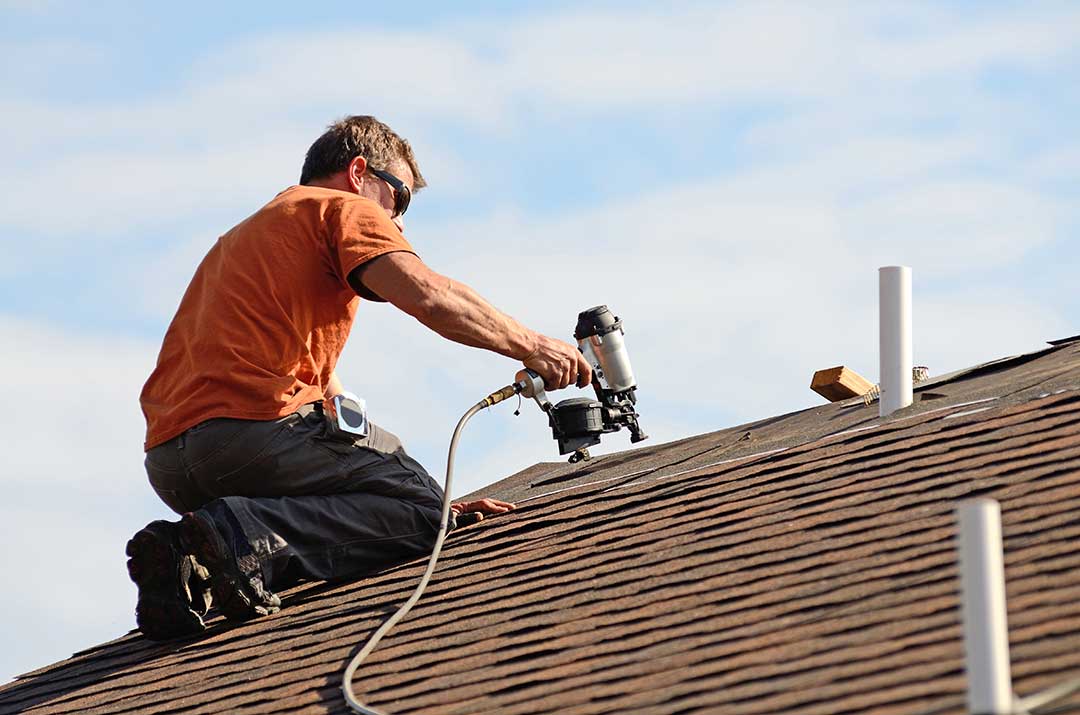
In North Tonawanda, homes built in the early to mid-20th century often feature classic sloped roofs, including gables and hips. These match both local history and practical needs. Flat roofs are more common on commercial properties, mid-century modern homes, or additions. If the roof will be visible from the street, consider how each style fits neighborhood aesthetics and the context of surrounding properties.
Some homeowners’ associations or zoning rules may limit roof design choices, so it’s wise to review local regulations and HOA guidelines if applicable.
What Are Typical Costs to Consider?
Installation costs can vary widely depending on roof size, complexity, and material choice. Flat roofs usually have a simpler structure but may require more expensive waterproofing layers and insulation, especially in a snowy climate. Sloped roofs may cost more for labor and materials (depending on pitch and type), but offer better longevity.
It’s easy to underestimate the long-term costs of flat roofs, especially if repairs or upgrades to drainage systems are needed down the road. Sloped roofs, while potentially pricier upfront, often require fewer interventions over time if properly maintained.
Common Misconceptions About Roof Types
- All flat roofs leak: Properly built and maintained flat roofs can perform well for years.
- Sloped roofs are always more expensive: While this can be true for complex designs, simpler sloped roofs with basic materials may be very cost-competitive.
- You can ignore snow on any roof: Both types are subject to stress from severe snow loads, though the risks and maintenance needs differ.
How Do You Choose What’s Right for a Home in the Community?
The best option depends on the structure, household habits, long-term plans, and willingness to maintain the roof. For most single-family homes in North Tonawanda, sloped roofs align well with local weather and traditional aesthetics, plus lower maintenance requirements. Flat roofs may fit certain modern or multifamily designs, or when maximizing outdoor/utility space is a priority, provided strict upkeep routines are followed.
Considering factors like climate, neighborhood standards, usability, and maintenance preferences helps residents make the right decision for their property and lifestyle.
