

What Causes Shingle Curling and Cracking in North Tonawanda, NY Homes?
Shingle curling and cracking are frequent concerns in North Tonawanda due to seasonal weather swings, roof age, and common shingle types on local homes. Shingles in this region endure freeze-thaw cycles, periods of heavy snow, ice buildup, and humid summers—all of which can contribute to shingle distress over time.
Multiple factors can push shingles to curl or crack:
- Natural aging: Asphalt shingles typically last 15-25 years before material breakdown leads to warping or splitting.
- Moisture issues: Ineffective attic ventilation, ice dams, or underlying leaks can trap dampness beneath shingles, resulting in curling edges.
- UV exposure: Sunlight in summer, while mild compared to southern climates, can still dry out and weaken shingles.
- Poor installation: Inconsistent nailing, improper overlap, or low-quality underlayment leave shingles more vulnerable to deformation.
Because most North Tonawanda neighborhoods have established homes, many residents experience these issues on older roofs or poorly ventilated attics.
How Can Residents Tell If Curling or Cracking Is a Serious Problem?
Mild aging rarely signals urgent risk. However, noticeable curling—where shingle edges lift upwards or the middle bows—can allow water to seep underneath. Likewise, cracked shingles (even small splits) offer pathways for leaks if not addressed.
Check for these telltale signs:
- Widespread curling across roof surfaces, not just a shingle here or there
- Cracks running that leave portions of shingles broken or missing
- Granule loss, with bare spots exposing black matting
- Damp attic wood, visible staining, or increased humidity inside after storms
Residents may want to look from the ground with binoculars or use a camera from a window, but always prioritize safety. Any leaks developing indoors or clusters of missing shingles usually require prompt action.
What Steps Should North Tonawanda Homeowners Take When They Notice Curling or Cracking?
Catching minor curling or cracking early helps prevent further damage. For light to moderate issues, these steps are practical for most area households:
1. Inspect the attic: After rain, use a flashlight to spot active leaks or damp insulation. This helps gauge urgency.
2. Clean gutters and downspouts: Ensuring proper drainage can reduce water pooling and related shingle stress.
3. Trim overhanging branches: Trees contribute to shade and moisture problems; keeping branches away from the roof allows shingles to dry out.
4. Improve attic ventilation: Add or clear vents to keep attic temperature balanced and lower the risk of ice dams pushing moisture under shingles.
5. Temporary patching: For small cracks, roofing cement or adhesive strips may provide a stopgap fix until a permanent repair.
If only a handful of shingles are affected and the layer beneath is dry, residents often patch or replace individual shingles. Spreading problems, interior leaks, or wet attic wood suggest a larger issue that may require looking deeper at the roof’s overall condition.
Are There Ways to Prevent These Issues From Worsening in the Local Climate?
While no shingle lasts forever, local households can extend their lifespan and catch problems early with a few routines suited to the area’s mix of snowfall, rain, and sun:
- Annual roof checkups in late spring or fall, when snow and ice have cleared
- Prompt removal of heavy snow buildup from the roof edge (by using a roof rake, not climbing)
- Keeping moss and debris away to avoid retaining excess moisture
- Monitoring the attic’s relative humidity and installing a vapor barrier if persistent dampness is detected
Proactive upkeep makes it less likely small curling or cracks will evolve into interior leaks, especially during freeze-thaw cycles.
Can Curling and Cracking Lead to More Serious Roofing or Structural Issues?
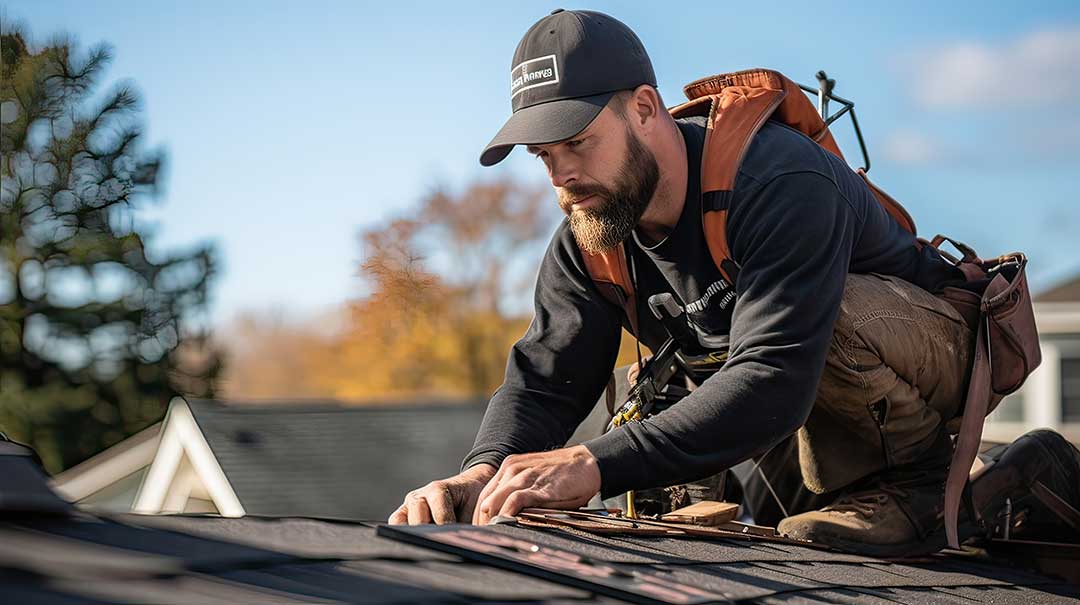
Simply put, curled or cracked shingles let water go places it shouldn’t. Even in homes with newer underlayment, repeated moisture exposure degrades the wooden deck below over time. In North Tonawanda’s climate, with heavy precipitation and periodic freeze-thaw stress, this means:
- Plywood roof decking can grow mold, rot, or sag under long-term leaks.
- Insulation loses effectiveness when damp, leading to higher energy bills.
- Persistent leaks may impact ceiling finishes, drywall, or even electrical fixtures below the roofline.
Residents are wise to address visible shingle issues before rainy or snowy months arrive, as these conditions can accelerate water infiltration.
Are There Common Misconceptions About Shingle Curling and Cracking?
Several myths circulate among area homeowners:
- "Curling is only a cosmetic flaw." Curling exposes vulnerable underlayers, even if leaks are not yet visible.
- "Replacing a few shingles fixes everything." If widespread, curling or cracking may point to attic heat, poor ventilation, or systemic aging.
- "These problems only happen on old roofs." Installation errors, ventilation issues, or storm damage may cause issues even on newer roofs.
Understanding the real risks helps residents make maintenance decisions that protect both home and investment in the long term.
When Is It Necessary to Seek Outside Help Due to Safety or Code Concerns?
Most shingle replacement, attic checks, and patching are practical for local homeowners. There are, however, a few clear exceptions:
- If walking on the roof feels unsafe or unstable after heavy snow or ice
- When shingle loss or damage is extensive and patchwork won’t ensure a watertight barrier
- If electrical or structural elements show water damage after roof leaks
For these scenarios, involving a qualified expert remains the safest approach. North Tonawanda follows New York State building codes for significant roofing projects and requires permits for major structural repairs or roof replacement. Checking local code requirements ensures that larger repairs are handled safely and legally.
