
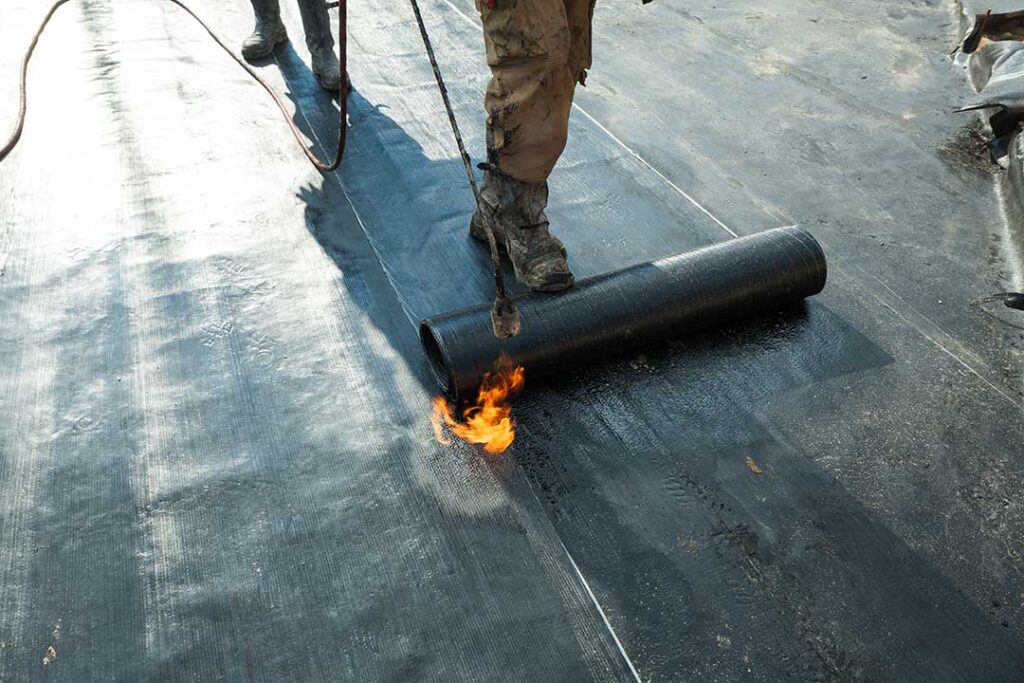
Roof work is not always an all-or-nothing decision. In some cases, a second layer of shingles can extend the life of an otherwise sound roof. In other cases, the existing roofing system must be removed so damaged decking, flashing, ventilation, or underlayment can be corrected. These approaches are commonly described as re-roofing and roof replacement, but they are not interchangeable.
For homeowners in North Tonawanda, NY, understanding the difference can make it easier to interpret inspection findings, compare project scopes, and avoid paying for work that does not address the underlying problem.
What does re-roofing mean?
Re-roofing usually means installing a new layer of shingles over an existing layer without removing the original shingles first. It is sometimes called an overlay.
A re-roofing project may be considered when:
- The existing shingles are generally flat and secure.
- There is only one existing layer of asphalt shingles.
- The roof deck is believed to be sound.
- Leaks are limited or caused by aging shingle surfaces rather than deeper failures.
- Local regulations, manufacturer requirements, and roof design allow an additional layer.
Re-roofing is typically narrower in scope than a full replacement. Because the old shingles remain in place, the work may take less time and create less tear-off debris. However, the existing roofing materials remain beneath the new layer, so hidden damage is not fully exposed or corrected.
An overlay does not automatically mean that the roof has been restored to like-new condition. It provides a new weather-resistant surface, but it may not resolve deteriorated wood, inadequate ventilation, damaged flashing, or moisture trapped below the shingles.
What does full roof replacement involve?
A full roof replacement generally includes removing the existing shingles and underlayment down to the roof deck. The exposed deck can then be inspected for rot, soft areas, water staining, mold-like growth, or other damage.
Depending on the roof’s condition, replacement may include:
- New underlayment and ice-barrier materials.
- Replacement of damaged roof decking.
- New flashing around chimneys, walls, vents, and other penetrations.
- Repairs or upgrades to roof ventilation.
- New shingles or another approved roof covering.
- Corrections to valleys, edges, and areas where water drains or collects.
The most significant difference is access. Removing the old roofing allows the condition of the underlying system to be evaluated rather than covered.
For older homes or roofs with repeated leaks, a full replacement often provides a more complete diagnosis. It can also make it easier to identify whether water is entering through shingles, flashing, fasteners, roof penetrations, or the roof-to-wall transition.
Is re-roofing cheaper than roof replacement?
Re-roofing often costs less because it avoids much of the tear-off, disposal, and underlying repair work. That does not mean it is always the lower-cost choice over the life of the roof.
If a roof has hidden decking damage or failed flashing, an overlay may leave those problems in place. A leak can continue beneath the new shingles, and later repairs may require removing both layers. In that situation, the initial savings may be offset by additional work.
A full replacement can cost more at the beginning because it includes removal, inspection, disposal, and possible structural repairs. Its value depends on whether those steps are necessary for the roof’s actual condition.
The practical question is not simply, “Which option is cheaper?” It is, “Will the chosen work address the cause of the roof’s problems?”
When is re-roofing usually not appropriate?
Re-roofing is generally a poor fit when the roof has more serious defects beneath the shingle surface. Warning signs include:
- Multiple existing shingle layers.
- Widespread curling, buckling, blistering, or missing shingles.
- Soft or sagging areas.
- Repeated leaks in several parts of the roof.
- Extensive staining on attic wood or insulation.
- Damaged or poorly installed flashing.
- Significant moss or organic growth associated with persistent dampness.
- A roof deck that may have been exposed to long-term moisture.
- Inadequate ventilation contributing to heat and moisture buildup.
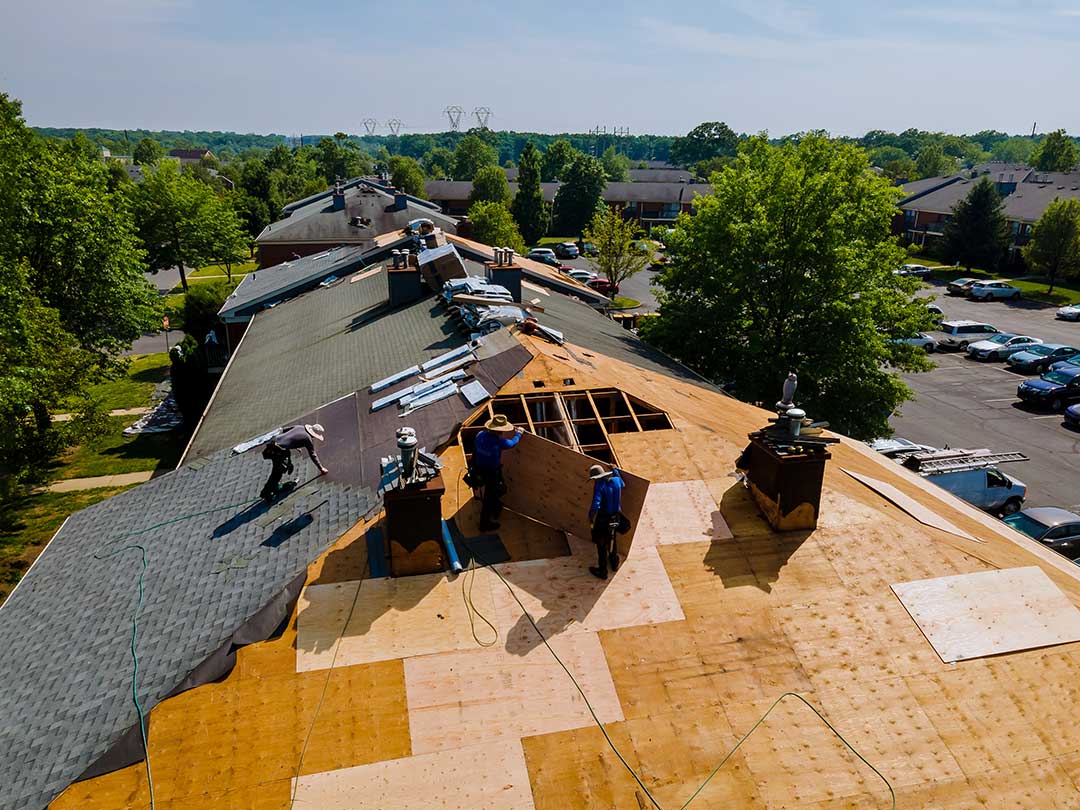
A roof with multiple layers may also exceed local or code-related limits. Requirements can depend on the number and type of existing layers, the roof structure, and the proposed material. Homeowners should not assume that an overlay is permitted simply because the roof appears able to support another layer.
How does the climate in North Tonawanda affect the decision?
North Tonawanda experiences cold winters, snow, freeze-thaw cycles, wind, rain, and periods of high humidity. Those conditions place stress on roofing materials and the details that control water movement.
Snow and ice can expose weak areas near eaves, valleys, wall intersections, and roof penetrations. Freeze-thaw cycles can enlarge small gaps, loosen flashing, and worsen damaged shingles. Heavy rain and wind may reveal problems that are not visible during dry weather.
These conditions make the roof’s underlying layers especially relevant. A new shingle surface may improve appearance and short-term weather resistance, but it cannot correct rotten decking or poorly directed drainage beneath it.
Attic ventilation also matters. Warm, moist air moving into a cold attic can contribute to condensation, while uneven temperatures can increase the risk of ice buildup along roof edges. Re-roofing may be suitable only if the existing ventilation and moisture-control details are functioning adequately.
Can a re-roofed roof be inspected later?
A re-roofed roof can still be inspected, but the extra layer can make diagnosis more difficult. Inspectors may be unable to see the original shingles, portions of the underlayment, or the condition of the roof deck without opening the assembly.
The added weight may also matter, particularly on older structures or roofs that have already carried multiple layers. The roof framing may be adequate, but that should not be assumed solely from the roof’s appearance.
Before choosing an overlay, useful questions include:
- How many shingle layers are already present?
- Is there evidence of leaks or moisture below the surface?
- Are the existing shingles flat enough for a new layer?
- Can damaged flashing remain in place, or must it be replaced?
- Is the roof deck known to be sound?
- Does the proposed work comply with applicable requirements and material instructions?
- Will ventilation remain adequate after the new layer is installed?
Clear answers are more useful than a simple comparison of project prices.
How can homeowners tell which option may be needed?
Visible signs can provide clues, but they cannot reveal every problem. A roof may look acceptable from the ground while having damaged decking around a chimney, valley, or roof penetration.
A full replacement becomes more likely when the roof has a combination of age, recurring leaks, widespread shingle deterioration, and evidence of moisture in the attic. Re-roofing may be reasonable when the existing layer is limited to one relatively uniform layer, the shingles are not badly distorted, and there is no strong evidence of underlying damage.
The distinction is also affected by how long the homeowner expects the roof to remain in service. Covering a roof that is near the end of its functional life may postpone the larger project rather than eliminate it.
The main distinction to remember
Re-roofing adds a new surface over an existing roof. Full replacement removes the existing roofing so the deck, underlayment, flashing, and ventilation can be examined and repaired as needed.
An overlay may be suitable for a roof with limited, surface-level deterioration and a sound underlying system. Full replacement is more appropriate when damage is widespread, leaks are recurring, multiple layers are present, or hidden components may have failed.
For households evaluating roof work, the most reliable decision comes from understanding what is known about the existing roof—not simply choosing the option with the shortest project description.
