
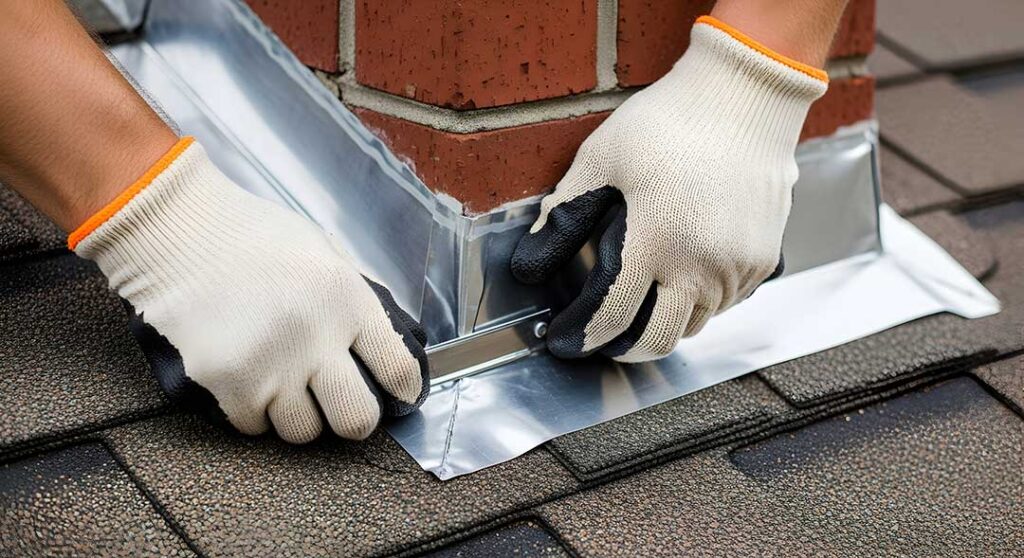
A roof problem that looks minor from the ground can develop into water damage, structural deterioration, mold, or an indoor safety concern. In North Tonawanda, NY, repeated snow, ice, rain, wind, and freeze-thaw cycles can place additional stress on already damaged roofing materials.
Roof repairs are not only about preventing a visible leak. They also protect insulation, ceilings, walls, electrical systems, attic ventilation, and the building’s overall structure.
How can a small roof leak cause major damage?
A small leak can allow water to travel well beyond the original entry point. Roofing materials, underlayment, sheathing, insulation, drywall, and framing may absorb moisture before a ceiling stain becomes visible.
Water can move along rafters, roof decking, pipes, wiring, and wall cavities. As a result, the visible mark inside the home may not be directly below the damaged shingle, flashing, vent, or roof edge.
Over time, neglected leaks may cause:
- Discolored or sagging ceilings
- Peeling paint and damaged drywall
- Wet attic insulation
- Rotting roof sheathing or framing
- Musty odors
- Mold growth
- Damaged flooring, trim, or wall finishes
- Corrosion around fasteners and metal components
A roof does not need to be actively dripping to be causing damage. Moisture may enter during wind-driven rain or melting snow and then dry before it reaches the living area.
Why are winter conditions especially hard on neglected roofs?
Cold weather can worsen existing roof defects. Water that enters a crack, open seam, or damaged flashing may freeze and expand. This can enlarge the opening and make future leaks more likely.
Snow and ice also add weight to the roof system. A sound roof is designed to carry expected loads, but deteriorated sheathing, weakened framing, or long-term moisture damage can reduce its ability to perform safely.
Ice buildup near roof edges may also contribute to water backup. If melting snow cannot drain properly, water can collect beneath roofing materials and enter areas that normally remain dry. This is often called ice damming.
Homeowners should pay particular attention after:
- Heavy snowfalls
- Repeated freezing and thawing
- Strong wind events
- Extended periods of rain
- Rapid warming after cold weather
- Storms that leave branches or debris on the roof
Can missing or damaged shingles really affect the whole roof?
Yes. A missing shingle exposes the layers beneath it to water, sunlight, wind, and temperature changes. The exposed area may deteriorate quickly, especially if the roof deck or underlayment is already aging.
Damaged shingles can also create pathways for wind to lift nearby materials. A small area of failure may spread if loose edges, exposed fasteners, or cracked seal strips are left in place.
Not every shingle problem means the entire roof must be replaced. However, the longer exposed materials remain unprotected, the greater the chance that a limited repair will become more extensive.
A roof inspection is especially useful when there are several missing shingles, widespread curling, brittle surfaces, or repeated repairs in the same area.
What hidden problems can develop in the attic?
The attic often shows roof trouble before the rooms below do. Dark staining on roof sheathing, damp insulation, rusty nails, wet rafters, and mold-like growth can indicate that moisture is entering or that ventilation is not working properly.
Persistent moisture in an attic may:
- Reduce the effectiveness of insulation
- Encourage mold growth
- Cause wood to soften or rot
- Rust metal fasteners and connections
- Increase the likelihood of ceiling damage
- Affect indoor humidity and comfort
- Create conditions that attract insects or other pests
Roof ventilation problems can make matters worse. Warm, moist air from the home may condense on cold surfaces in the attic, creating moisture even when there is no obvious exterior leak. Proper diagnosis requires distinguishing between roof penetration, plumbing leaks, condensation, and inadequate airflow.
Can neglected roof repairs create electrical or fire hazards?
Water and electricity are a dangerous combination. A roof leak near wiring, light fixtures, outlets, junction boxes, or attic electrical equipment can create a risk of short circuits, corrosion, or electrical failure.
Moisture may not cause an immediate problem. Corrosion and deterioration can develop gradually, and damaged insulation around wiring may increase risk over time.
Warning signs may include:
- Flickering lights after rain
- Tripped breakers
- Stains near ceiling fixtures
- A burning or unusual electrical odor
- Buzzing sounds
- Dampness near electrical equipment
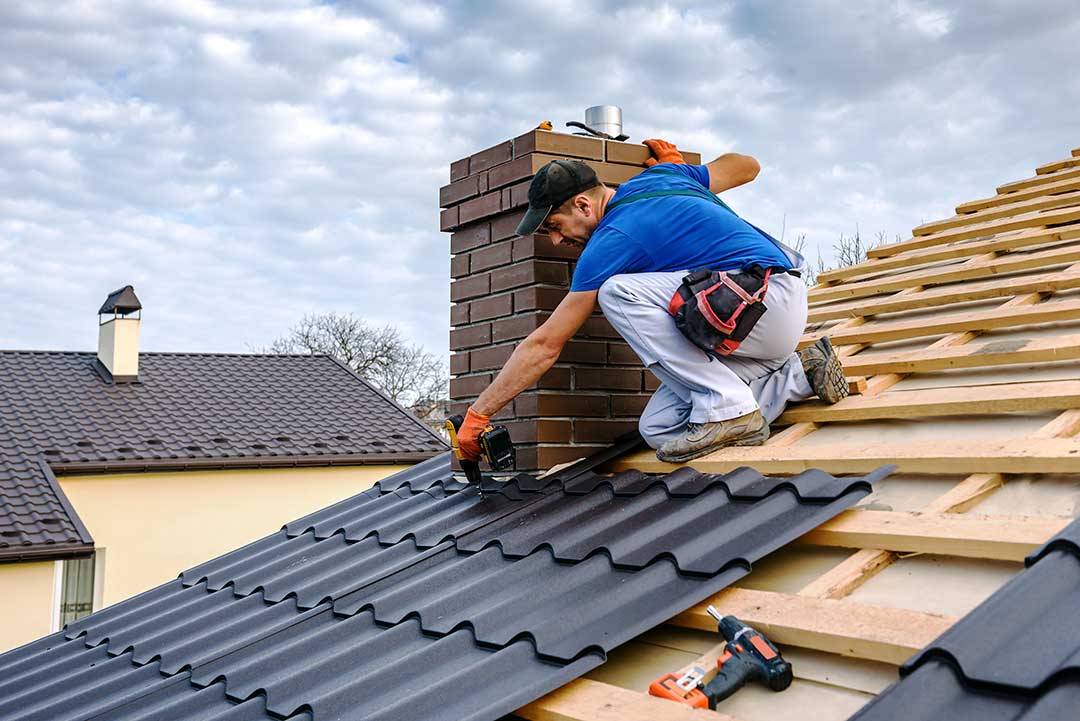
These signs should not be treated as ordinary roof maintenance. Electrical hazards require prompt attention, and affected circuits should be handled cautiously.
How does roof neglect affect indoor air quality?
Roof leaks can increase indoor moisture and support mold growth in concealed spaces. Mold may develop on drywall, insulation, wood, or other materials that remain damp for extended periods.
Not every dark mark is mold, and not every musty smell comes from the roof. Plumbing leaks, basement moisture, condensation, and poor ventilation can produce similar symptoms. Still, a roof leak should be considered when odors or staining appear after rain or snowmelt.
People with asthma, allergies, or respiratory sensitivities may notice symptoms more readily in damp environments. Promptly identifying and drying wet materials can help limit the spread of moisture-related damage.
What roof warning signs should residents watch for?
Some roof problems are visible from the ground, while others appear inside the home. Common warning signs include:
- Missing, cracked, curled, or heavily worn shingles
- Exposed underlayment or roof decking
- Damaged flashing around chimneys, vents, and roof edges
- Sagging areas or uneven roof lines
- Granules collecting in gutters or downspouts
- Water stains on ceilings or upper walls
- Damp attic insulation
- Daylight visible through the roof deck
- Loose gutter sections or separated drip-edge materials
- Repeated leaks in the same location
A stain that appears only during severe weather still indicates that water is entering somewhere. Waiting for a larger, more obvious leak can allow hidden materials to deteriorate.
Is roof repair safe to do without specialized experience?
Some basic observation can be done safely from the ground or through accessible attic areas. Climbing onto a roof is more hazardous than it may appear, particularly when surfaces are wet, icy, steep, brittle, or covered with moss or debris.
Roof work also involves fall risks, hidden weak spots, ladders, tools, and electrical hazards. In winter, snow and ice can obscure damaged areas and make walking surfaces unstable.
Residents can document warning signs from a safe location, check ceilings and attic spaces when conditions allow, and keep records of when leaks appear. Repairs involving steep slopes, structural damage, electrical exposure, active leaks during storms, or unsafe access may require qualified assistance for safety reasons.
What happens if a repair is delayed for several months?
The outcome depends on the type and location of the damage, but delay generally increases the chance that moisture will affect more materials. A failed flashing seam may remain localized, while water entering through damaged decking can spread into insulation, framing, and interior finishes.
Delays may also make the original cause harder to identify. Temporary drying can hide evidence, while repeated wetting and drying may produce multiple stains or areas of deterioration.
The practical question is not only, “How large is the leak?” It is also, “What materials have been exposed, how often has moisture entered, and has the roof system weakened around the original damage?”
For homes in North Tonawanda, seasonal weather makes regular visual checks especially useful in spring and after major storms. Early attention can help distinguish a limited roofing defect from damage that has reached the attic, walls, or structural components.
