
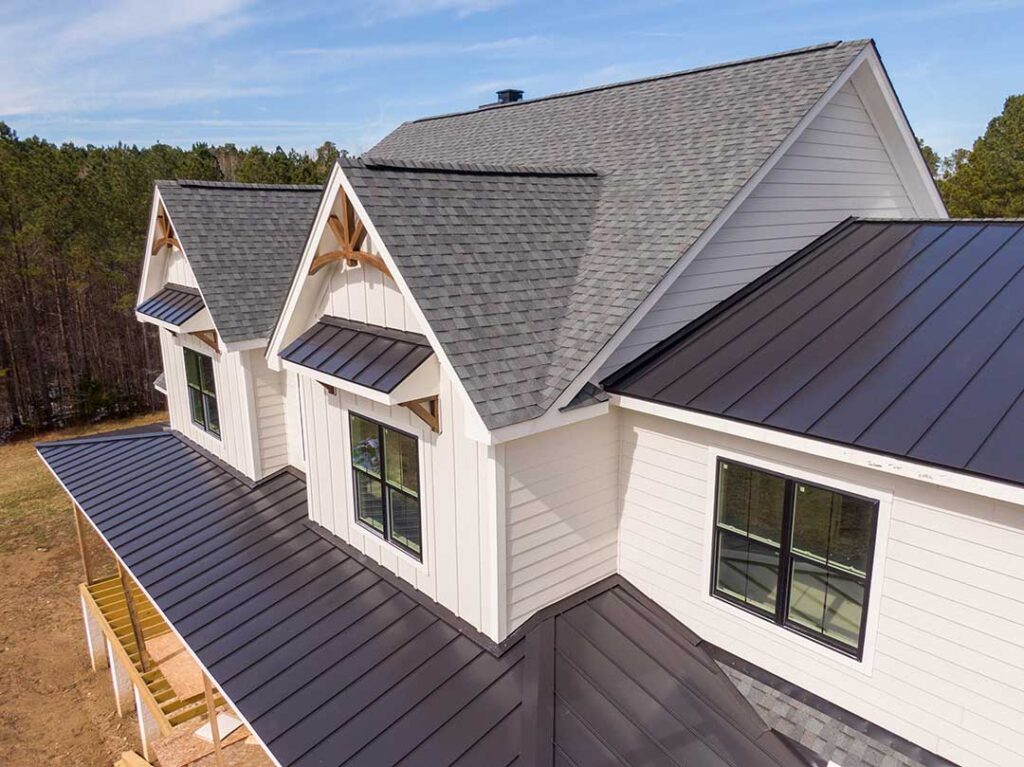
Why Does Roof Color Matter for Homes in North Tonawanda, NY?
In North Tonawanda, NY, residents frequently ask how much roof color really affects their homes. Roof color isn’t just about style; it plays a role in curb appeal, energy efficiency, neighborhood blending, and maintenance. Factors like seasonal weather, roof lifespan, and local architectural trends shape how people in the community weigh their options.
Homes here see a full spectrum of weather: sunny summers, snowy winters, and everything in between. The appearance and performance of your roof color can shift dramatically from season to season, making year-round considerations especially important in this region.
How Does the Local Climate Affect Your Roof Color Choice?
In short, roof colors react differently to North Tonawanda’s mix of hot summers and cold, snowy winters.
Sun and Heat
- Darker shades like deep grays, browns, or blacks absorb more heat. This can raise attic temperatures in July and August, possibly increasing cooling costs for area households.
- Lighter colors—such as tan, light gray, or even off-white—reflect more sunlight, helping keep homes cooler on hot days.
Snow and Ice
- A darker roof can help melt snow faster during sunny winter days, which some residents prefer to reduce snow load.
- Lighter roofs may show stains from leaves or melting snow more easily but don’t have a major effect on snowmelt timing compared to other roof factors.
Local homeowners should think about which seasons have a bigger impact on daily comfort and utility costs when making a decision.
What Look Best Suits the Home’s Style and Setting?
For many in North Tonawanda, blending the roof color with house materials and neighborhood character is a common concern.
Considerations Include:
- Siding Color: Match or complement the tone of your home’s exterior. For example, gray roofs generally pair well with white, blue, or stone-finished homes, while brown roofs can look classic with brick or earth-toned siding.
- Architectural Style: Traditional styles often suit rich or muted colors, while newer designs can handle bolder contrasts.
- Neighborhood Appearance: While there are no strict rules, some neighborhoods in the city have consistent palettes. Choosing something wildly different from nearby roofs can make a home stand out—sometimes for the wrong reason.
- HOA or Historical Restrictions: Certain blocks or historic districts may have suggestions or requirements for acceptable tones, so it’s smart to check any written guidelines.
How Do Roof Colors Affect Curb Appeal and Property Value?
Roof color is one of the most visible design choices. Here’s how it factors into public perception and long-term value:
- Neutral colors like grays, browns, and subdued greens appeal to the widest range of buyers. These colors are often seen as ‘safe bets’ for resale.
- Very bold shingles—bright reds, blues, or unusual shades—may attract attention but can polarize potential buyers or reduce broad appeal.
- In the city’s mix of historic and newer homes, houses with roof colors clearly harmonizing with their façade and landscaping are often described as looking more "finished" or well-cared for, both by real estate agents and neighbors.
How to Visualize Roof Colors Before Making a Decision
It’s common for residents to have trouble picturing exactly how a new color will look.
Tips for local homeowners:
- Take a walk or drive around blocks with similar housing styles and note what colors are most appealing on comparable homes.
- Request sample shingles (even just a few) and view them outdoors at different times of day. Natural light can radically change how colors appear in person.
- If you have home design software, many programs offer features to “test out” roof colors digitally. Physically laying out samples on your roof or porch is still extremely helpful.
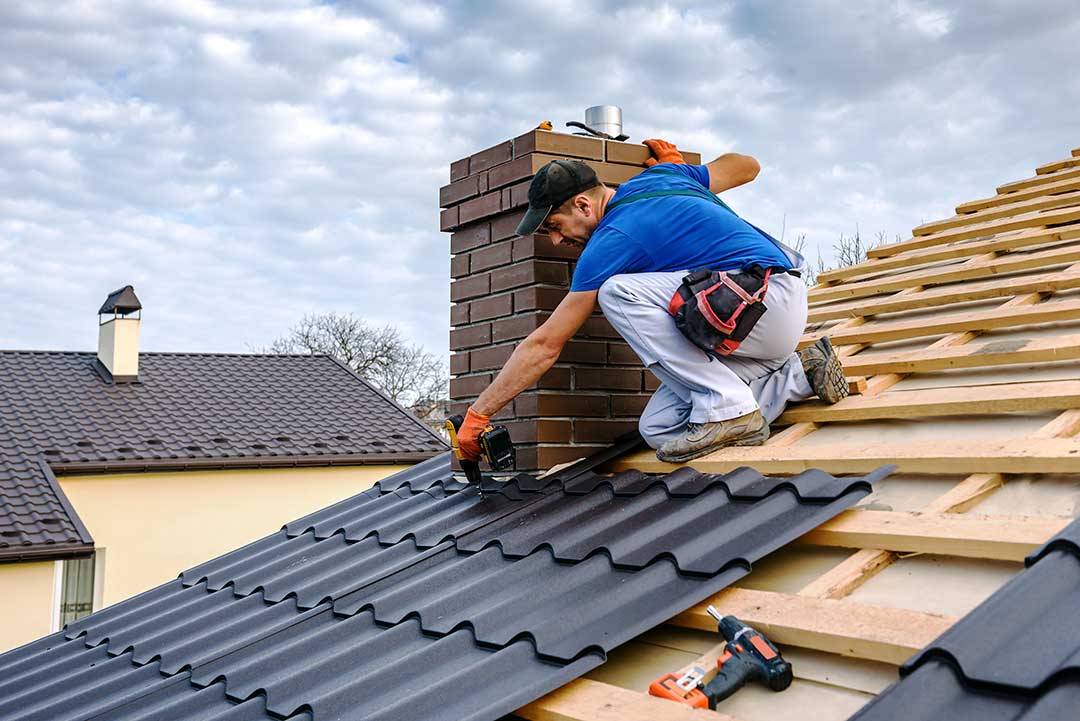
Are There Maintenance or Longevity Differences Between Roof Colors?
While shingle construction is the main factor in roof lifespan, color does have some secondary impacts:
- Lighter-colored roofs in the area can show algae streaks, moss, or staining more quickly than darker ones—especially in shady or north-facing areas.
- Dark roofs can fade faster in strong sunlight but will mask certain signs of age, like weathering or patch repairs, for a longer time.
- Some modern materials offer algae-resistant features in popular colors commonly used by local homeowners.
Routine cleaning and good attic ventilation will support roof longevity more than color alone, but being aware of cleaning needs upfront can help set expectations.
What Are Common Misconceptions About Roof Color?
Residents sometimes believe roof color has a bigger impact on home temperature or snowmelt than it actually does.
- The difference in attic heat between dark and light roofs is real, but other factors (like insulation and ventilation) are generally much more influential in local homes.
- Even neighbors are unlikely to notice minor shifts in color shade unless a new roof is extremely different from surrounding properties.
- Local wildlife, leaves, or tree placement can create stains or fading on any color roof over time.
Does Roofing Color Impact Local Energy Efficiency or Utility Savings?
There’s a modest link between roof color and home energy use in the community—mainly during peak summer sunshine. Lighter colors can modestly reduce cooling needs, especially in low, unshaded ranch homes. For most area homes, insulation upgrades add more comfort during heating and cooling months than shingle color alone.
Roof color is best viewed as a supporting factor in local energy efficiency, not a dominant one.
Additional Tips for Area Households Deciding on a Roof Color
- Compare several color boards in full sun and shade; check from the street as well as up close.
- Think about how landscaping changes through the year, since leaf drop and snow cover can affect the way roof hues are seen in various seasons.
- Remember, it’s uncommon to change a roof again for decades, so it’s wise to lean toward timeless, broadly appealing tones if undecided.
