

What Are Green Roofs and How Do They Work?
Green roofs are roofing systems that involve growing vegetation over a waterproof membrane and supporting layers. These roofs can be either intensive (with deep soil, shrubs, and even trees) or extensive (with shallow layers and smaller plants like sedums or grasses). In North Tonawanda, NY, where winters can be severe and summers occasionally humid, green roofs must be designed to handle a wide range of temperatures, moisture levels, and snow loads.
Typically, a green roof is constructed with:
- A waterproof membrane to prevent leaks
- A root barrier to protect the underlying roof
- Drainage layers to move excess water away
- A lightweight growing medium
- Hardy, low-maintenance plants appropriate for local weather
What Are the Main Benefits for Homes in North Tonawanda?
Green roofs provide several practical benefits tailored to the local climate and housing challenges.
First, they add insulation, helping to keep homes warmer in winter and cooler during summer. This moderates indoor temperatures and can reduce heating and cooling needs—appealing given the region’s long winters and fluctuating temperatures.
Other benefits include:
- Absorbing rainfall, which reduces stormwater runoff and local flooding risk—particularly relevant near the Niagara River and Tonawanda Creek
- Protecting traditional roofing materials from UV rays, temperature swings, and physical wear, potentially extending the underlying roof’s service life
- Contributing to improved air quality and urban biodiversity by providing habitat for pollinators and small wildlife
- Reducing the heat island effect in denser neighborhoods where pavement and traditional roofs trap heat
Are There Any Drawbacks or Complications?
While green roofs offer appealing benefits, there are key considerations for area homeowners. Installation costs are usually significantly higher than for standard asphalt shingle roofs. The roof structure may require reinforcement, as wet soil and plants can add substantial weight—especially with North Tonawanda’s heavy snowfalls.
Maintenance is another factor. Although many green roof designs are intended to be low maintenance, some ongoing care is needed:
- Occasional weeding and plant replacement
- Seasonal checking for drainage issues, especially after snowmelt
- Ensuring no roots compromise the waterproof membrane
Additionally, not all homes are good candidates. Low-pitched or flat roofs are preferred for proper drainage and ease of installation. Older homes may need extra assessment to confirm their structure can support the new load.
Do Green Roofs Improve Home Energy Efficiency?
Yes, a well-designed green roof can improve energy efficiency. The added layers provide extra thermal insulation. In North Tonawanda households, this means homes may stay warmer in the winter and cooler in the summer, reducing reliance on heating and air conditioning systems.
However, the degree of savings depends on several factors:
- Roof type and size
- Quality of construction and insulation
- Amount of routine maintenance
- Local microclimate, including shade, building height, and prevailing winds
While energy bill reductions are often cited, they vary widely and are typically greater in larger or multi-unit buildings. In individual detached homes, the effect is helpful but should be viewed as one part of an overall energy strategy.
How Do Green Roofs Handle Local Seasonal and Weather Challenges?
Green roofs in North Tonawanda must endure freezing winters with snow and ice, as well as wet springs. The selected plants should be hardy to USDA Zone 5, and drainage systems must be designed to perform in freeze-thaw cycles. Structural engineering is essential to manage added snow load and ensure no water infiltration occurs during rapid melts or heavy storms.
During harsh winter months, most appropriate green roof plants go dormant, protecting roots until spring. The waterproofing layer and insulation below work together to shield the roof deck from temperature extremes and trapped moisture.
What Does Installation Involve, and Are There Local Regulations?
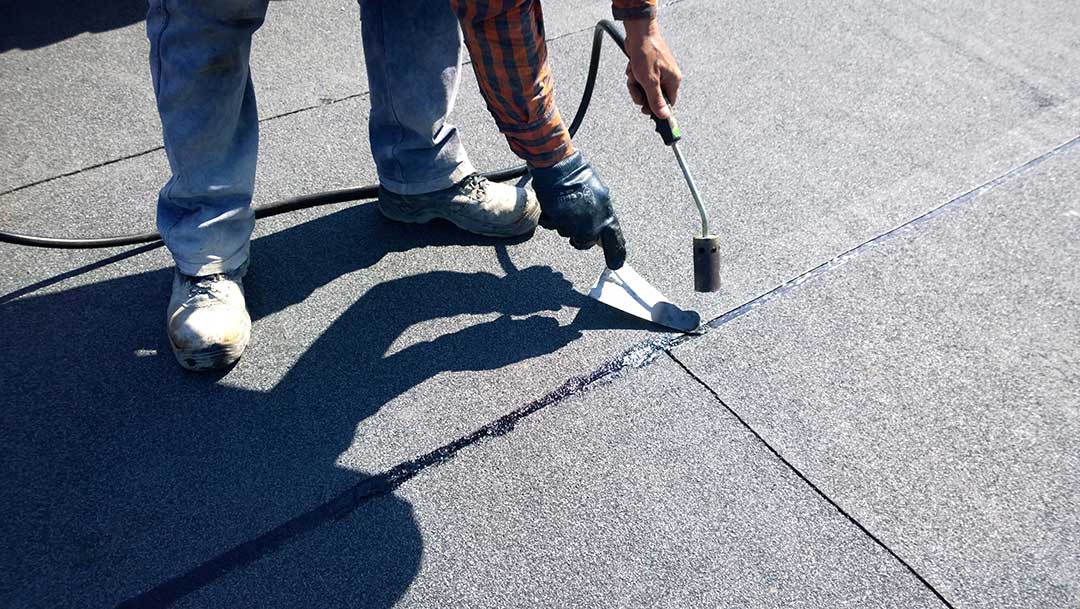
Installing a green roof requires careful planning and usually involves:
- Inspection by a structural engineer to assess load-bearing capacity
- Design tailored to local climate and site-specific needs (considering sun, wind, and precipitation patterns in the area)
- Coordination with roofing specialists familiar with green roof systems
- Proper selection of plants and materials suitable for North Tonawanda’s growing season and roof slope
Some local regulations or permitting may apply, especially if structural modifications are needed or if the roof system is visible from the street. Homeowners interested in this option should consult municipal building codes for any specific restrictions or requirements on green roofing.
Is a Green Roof Cost-Effective for Typical Homes?
The upfront installation cost of a green roof is substantially higher than conventional roofing. However, some area homeowners see added value through:
- Potentially longer roof life (since the plant and soil layers shield the membrane below)
- Incremental energy savings over time
- Improved home comfort and small-scale environmental impact
It's important to note that resale value increases are harder to quantify, as green roofs remain relatively uncommon in the community. Most residents considering this option do so for personal environmental commitment or self-sufficiency, rather than immediate financial return.
Common Misconceptions About Green Roofs
Many assume green roofs are only suitable for large buildings or mild climates. With proper design, they can work on a range of structures in the local area, though professional evaluation is necessary. There’s also a misconception that these roofs require extensive gardening or produce leaks—when correctly built and maintained, leaks are rare and plant care is minimal.
Others believe green roofs can provide large-scale urban farming. While some intensive designs allow for vegetable gardens, typical residential green roofs focus on native groundcovers, succulents, or grasses, which are more sustainable in the local climate.
What Should Residents Consider Before Deciding?
Area homeowners should carefully weigh:
- Whether their roof structure can support the required load—especially after snow and rain
- Willingness and ability to perform minor ongoing maintenance
- Local regulatory requirements or HOA guidelines
- Desire for environmental benefits versus upfront financial cost
Residents are encouraged to review local weather data, prefer native or climate-adapted plants, and understand both the long-term commitment and potential rewards of this innovative roofing choice.
