
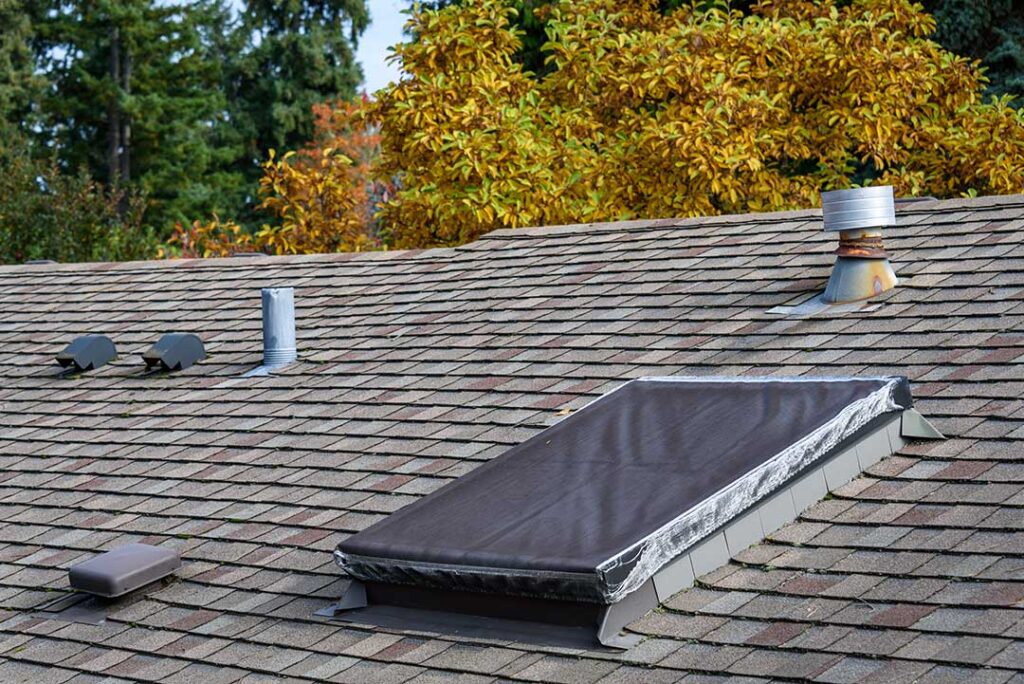
Roof flashing is the thin, shaped material installed around roof joints and openings to direct water away from vulnerable areas. Although flashing is easy to overlook from the ground, it plays a major role in preventing leaks around chimneys, walls, skylights, vents, valleys, and roof edges.
For homes in North Tonawanda, NY, flashing deserves particular attention because roofs must handle freeze-thaw cycles, wind-driven rain, snow, ice, and seasonal temperature changes. A small weakness in a flashing detail can allow water to enter gradually, sometimes long before a ceiling stain appears.
What exactly is roof flashing?
Roof flashing is a water-shedding barrier placed where roofing materials meet another surface or change direction. It may be made from aluminum, galvanized steel, copper, stainless steel, or other materials designed to resist weather exposure.
Flashing works by guiding water over the roof covering and away from seams, joints, and vertical surfaces. It is not usually intended to stop every drop of water by itself. Instead, it works as part of a layered roof system that may include shingles, underlayment, sealants, drainage paths, and ventilation.
Common flashing locations include:
- Around chimneys and masonry walls
- Along roof-to-wall intersections
- Around plumbing vents and other roof penetrations
- At skylights
- In roof valleys
- Around dormers and small additions
- Along eaves, rakes, and roof edges
- Behind siding where a wall meets the roof
Because each location drains water differently, flashing is shaped and installed differently from one area to another.
Why does flashing matter so much?
Flashing matters because roof leaks often begin at transitions rather than in the middle of an undamaged shingle field. A roof surface may appear to be in reasonable condition while water is entering at a chimney, wall, vent, or valley.
Effective flashing helps prevent:
- Wet insulation
- Stained or damaged ceilings
- Rot in roof decking and wall framing
- Mold growth caused by persistent moisture
- Deterioration around chimneys and siding
- Corrosion of fasteners and metal components
- Ice-related water intrusion during winter
Water can travel sideways or downward inside roofing assemblies. This means the visible stain inside a home may be several feet away from the actual entry point. A leak near a roof penetration, for example, may show up around a nearby wall or ceiling fixture rather than directly below the flashing.
Where are the most important flashing areas?
Some flashing locations deserve closer attention because they receive concentrated water flow or experience movement between different building materials.
Chimneys and masonry walls
Chimney flashing usually includes several pieces that work together. Base flashing lies along the roof, while counterflashing is built into or attached to the masonry above it. Step flashing may be used where a roof meets a vertical wall.
Mortar joints can deteriorate, masonry can absorb moisture, and metal components can loosen over time. A visible gap, cracked mortar, rust staining, or lifted flashing around a chimney should not be ignored.
Roof-to-wall intersections
Where a sloped roof meets a wall, water naturally collects and changes direction. Step flashing is commonly installed in a series of overlapping pieces beneath the shingles and alongside the wall.
If siding is replaced, roof work is performed, or an addition is built, the flashing detail can be disturbed. Covering old flashing with new siding does not always correct an underlying drainage problem.
Valleys
A valley concentrates water from two roof slopes. Depending on the roof design, valleys may use exposed metal, concealed flashing, or specially arranged roofing materials.
Debris, leaves, pine needles, and ice can slow drainage in these areas. Shingles that are cut poorly, damaged, or installed too close to the valley center can also increase the chance of leakage.
Plumbing vents and other penetrations
Rubber or metal boots surround pipes that pass through the roof. The boot flange must remain properly integrated with the roofing materials, and the upper portion must shed water rather than trap it.
A cracked boot, deteriorated seal, loose flange, or damaged shingle around the penetration can cause a small but persistent leak. These leaks are sometimes mistaken for plumbing problems because the water appears near a bathroom or utility area.
What problems can damage roof flashing?
Flashing can fail because of age, movement, weather exposure, poor installation, or changes to nearby materials. In North Tonawanda, winter conditions can be especially hard on roof details. Water may enter a small opening, freeze, expand, and gradually enlarge the gap.
Common causes of flashing problems include:
- Corrosion or rust
- Wind lifting or bending metal
- Cracked or shrinking sealant
- Loose fasteners
- Improper overlap between pieces
- Shingles installed over or under flashing incorrectly
- Masonry movement or deteriorated mortar
- Ice buildup along roof edges
- Repeated repairs that leave layered or incomplete details
- Remodeling that disturbs wall or roof transitions
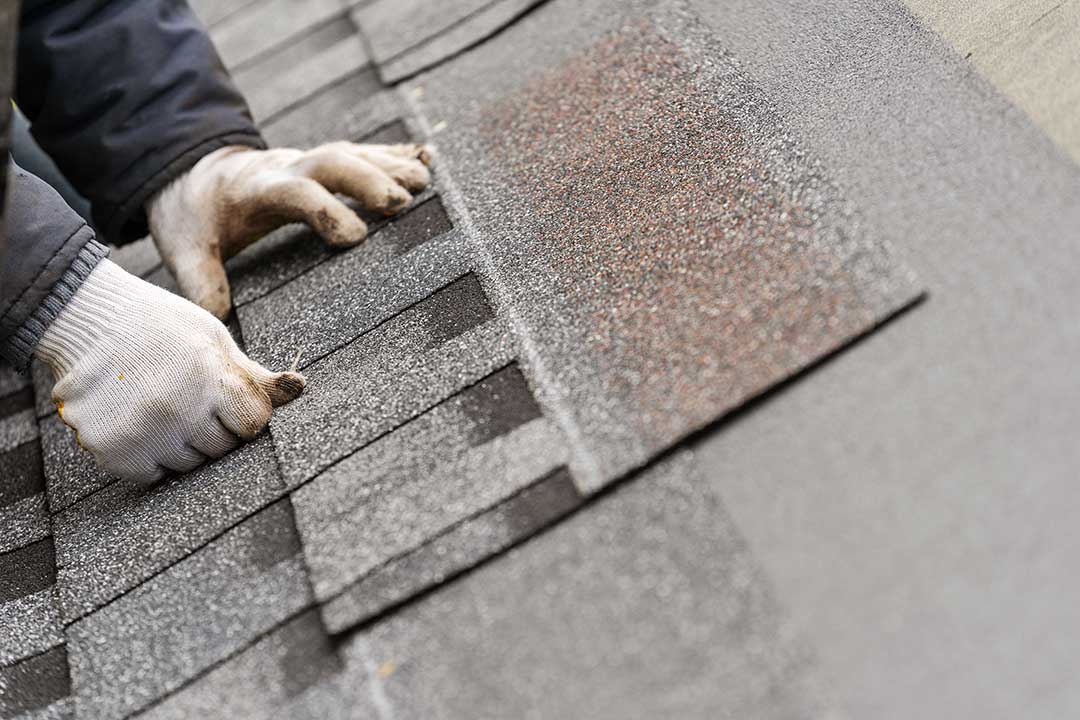
Sealant can be useful as part of a flashing system, but it is not a substitute for correctly shaped and layered metal. A bead of caulk may temporarily cover a gap while leaving the drainage design unchanged.
How can homeowners spot flashing trouble?
A ground-level inspection cannot reveal every problem, but several clues deserve attention. Look for rust-colored streaks, bent metal, missing pieces, open seams, cracked sealant, or flashing that appears lifted from the roof or wall.
Inside the home, warning signs may include:
- Brown or yellow ceiling stains
- Peeling paint near upper walls
- Damp insulation
- Musty odors in attic areas
- Soft or discolored roof decking
- Water appearing after wind-driven rain
- Drips that occur only during snowmelt or freeze-thaw weather
The timing of a leak can provide useful information. Water after heavy rain may point toward valleys, wall intersections, or penetrations. Water during thawing conditions may involve ice buildup, blocked drainage, or a concealed opening that becomes active as snow melts.
Does replacing shingles automatically fix flashing?
No. New shingles do not automatically correct defective flashing. In some situations, flashing can remain in place if it is properly designed, undamaged, and compatible with the replacement roofing. In other cases, flashing must be repaired or replaced because it is corroded, incorrectly layered, or difficult to integrate with the new materials.
Roofing work around chimneys, walls, valleys, and penetrations requires attention to how each layer overlaps. Installing new shingles over a known flashing problem may hide the issue temporarily without stopping water entry.
The same concern applies to roof coatings and patch materials. A surface treatment may cover visible deterioration, but it cannot replace missing step flashing, counterflashing, or a properly integrated vent boot.
What should be checked after severe weather?
After strong wind, heavy rain, or a major snow and ice event, homeowners can safely inspect visible areas from the ground or from accessible attic spaces. Walking on a roof is hazardous, especially when surfaces are wet, icy, steep, or weakened.
A basic check may include:
- Looking for loose or missing roof materials
- Observing whether metal flashing appears displaced
- Checking attic areas for dampness or daylight
- Clearing accessible gutters and drainage paths safely
- Noting new interior stains or damp odors
- Photographing visible damage for records
Conditions involving electrical fixtures, active leaks, unstable masonry, roof-edge damage, or unsafe access require qualified evaluation because the risk is greater than a routine visual check.
How long does roof flashing last?
There is no single lifespan for all flashing. Durability depends on the material, installation quality, exposure, roof design, nearby masonry, and maintenance history. Copper and stainless steel can remain functional for many decades, while thinner or poorly protected materials may deteriorate sooner.
Flashing should be considered part of the roof system rather than a separate item with a guaranteed replacement schedule. During roof inspections or exterior remodeling, the condition of flashing is worth reviewing even if the shingles still appear serviceable.
Good flashing is not dramatic or highly visible. Its value is found in the water it redirects, the framing it keeps dry, and the small openings it prevents from becoming larger repairs.
