
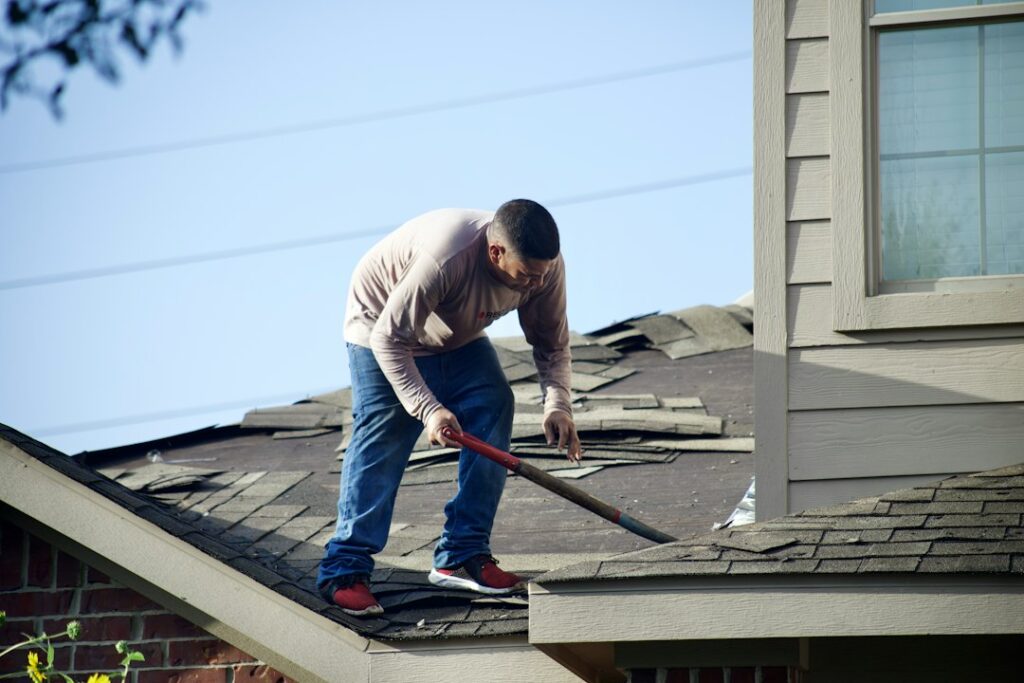
Roofing scams often appear after severe weather, during busy repair seasons, or when a homeowner notices a leak and needs fast answers. In North Tonawanda, NY, changing temperatures, heavy rain, snow, ice, and wind can all create legitimate roofing concerns—but they can also create opportunities for dishonest operators.
The safest approach is to slow down, verify information independently, and avoid making major decisions at the door or under pressure.
How can a homeowner recognize a roofing scam?
The most common warning signs are urgency, vague promises, unusual payment demands, and a lack of verifiable business information. A suspicious roofing offer may sound convenient, but the details often do not hold up when checked.
Be cautious if someone:
- Arrives without being requested and claims to have noticed serious roof damage
- Says a crew is already working nearby and has leftover materials
- Offers a dramatic discount that is available only “right now”
- Demands a large deposit before providing a written agreement
- Insists on cash, wire transfers, gift cards, or unusual electronic payments
- Refuses to provide proof of insurance or a physical business address
- Wants the homeowner to sign immediately
- Claims the roof needs full replacement without showing specific evidence
- Asks the homeowner to sign insurance paperwork that is not fully understood
A legitimate roofing concern can usually be documented with photographs, written findings, and a reasonable opportunity to compare options.
Why are storm-related roofing offers especially risky?
Storm damage can make homeowners feel they must act immediately. That urgency is exactly what some dishonest operators exploit. After wind, hail, heavy rain, or fallen branches, unfamiliar crews may travel through affected neighborhoods offering quick inspections or repairs.
A storm does not automatically mean a roof needs replacement. Damage may involve a few shingles, flashing, gutters, vents, or a small area around a penetration. In other cases, problems may be old wear rather than damage from the most recent weather event.
Be particularly careful with claims such as:
- “The whole roof is compromised,” without a clear explanation
- “The insurance company will pay for everything”
- “You must sign today to preserve your claim”
- “No one else needs to inspect it”
- “The damage is too dangerous to photograph or explain”
Insurance decisions belong to the insurer and policyholder, not to a salesperson making promises at the property. A homeowner should report possible damage through the insurer’s established process and keep copies of photographs, messages, invoices, and reports.
What should be verified before any roofing work begins?
Before signing, independently verify the person and business offering the work. Do not rely only on a phone number printed on a flyer, truck, or business card.
Useful checks include:
- The legal business name and a physical mailing address
- A working phone number that is answered consistently
- Proof of current liability insurance and workers’ compensation coverage when applicable
- Recent references from comparable roofing projects
- A written description of the work
- The proposed materials, ventilation details, cleanup responsibilities, and payment schedule
- The process for handling unexpected repairs or changes
- Whether permits or inspections apply to the planned work
Roofing requirements can vary depending on the scope of work and property type. In North Tonawanda, roofing is listed within the city’s building permit rules, so permit responsibility should be clarified before work starts. A homeowner should not assume that a contractor’s statement about permits is accurate without checking the current local requirement.
What should a roofing contract include?
A written agreement should make it possible to understand exactly what is being purchased. A vague document can lead to surprise charges, disputes, and difficulty proving what was promised.
Look for:
- The full name and address of the contractor
- The property address
- A detailed scope of work
- The type and quantity of roofing materials
- Removal and disposal terms for old roofing
- Flashing, underlayment, ventilation, and edge-treatment details
- Start and expected completion dates
- Total price, deposit amount, and payment milestones
- Responsibility for permits and inspections
- Warranty terms, including who provides each warranty
- Procedures for written change orders
- Cleanup and protection of landscaping, driveways, siding, and windows

Do not sign blank pages or documents with unexplained language. If a contract contains an assignment of insurance benefits, authorization to communicate with an insurer, or other legal terms, the homeowner should understand those provisions before signing.
Is a large upfront deposit a warning sign?
A deposit is not automatically proof of fraud, but a demand for full payment before work begins is a serious warning sign. Paying everything in advance removes much of the homeowner’s leverage if the crew disappears, delays the project, or performs incomplete work.
Payment should correspond to clearly defined stages of the project. Avoid handing over cash without a receipt, and be wary of anyone who refuses ordinary records. The payment method should create a traceable record showing the date, amount, recipient, and purpose.
A contractor who becomes angry because a homeowner wants time to review the agreement is providing useful information about the relationship before work starts.
How can homeowners avoid fake roof damage claims?
A roof inspection should be based on observable conditions, not fear. Ask for photographs or a written explanation showing where damage was found. If a person claims to have discovered major damage, the homeowner can seek an independent inspection rather than accepting a same-day replacement proposal.
Do not climb onto a roof to investigate unsafe areas. From the ground, residents can look for displaced shingles, damaged flashing, sagging roof lines, fallen branches, water stains, or debris—but these observations do not replace a safe inspection.
Also watch for unnecessary “emergency” work. Temporary covering may be reasonable when water is entering, but emergency language should not be used to bypass a written scope, basic verification, or time to review costs.
What should a homeowner do if a roofing scam is suspected?
Stop signing documents and avoid making additional payments until the situation is understood. Preserve evidence, including photographs, contracts, estimates, text messages, emails, receipts, license plates, and the names of people who visited the property.
If money has already been transferred, contact the financial institution promptly to ask whether the payment can be stopped or disputed. If work has caused damage or the operator refuses to leave, local law enforcement may be appropriate. Consumer complaints can also be reported to the New York Attorney General’s Office and the Federal Trade Commission.
For an active leak, protect people and belongings first. Place containers under drips, move electronics away from water, and avoid electrical hazards. Roof surfaces covered with ice, snow, or storm debris should not be climbed without appropriate safety equipment and training.
What is the safest response to an unsolicited roofing offer?
A simple response is: “No decision will be made today.” Do not allow an unfamiliar person to enter the home or attic without a clear reason and verification. A homeowner can request written information and independently check it later.
Reliable roofing decisions are based on documented conditions, understandable agreements, verifiable insurance, sensible payment terms, and enough time to review the facts. That process is especially valuable after a storm, when urgency and uncertainty can make an ordinary repair seem like an emergency replacement.
